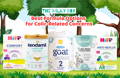
Best Baby Formula for Colic: Gentle Options for 2026


By: Suzanne Renee' - July 27, 2026 - 10 Minute Read

Flavored Toddler Formula: Are Vanilla and Chocolate Really Healthy?r | The Milky Box

Colic can turn feeding time into an exhausting and emotional experience. A baby may cry intensely, pull their knees toward their tummy, clench their fists, pass gas, or remain difficult to soothe even after being fed, changed, and comforted. Parents naturally wonder whether formula is contributing to the problem and whether switching to a gentler option could help.


There is no single “best” formula that cures colic for every baby. Colic has several possible contributors, and research on dietary changes remains limited. Some specialized formulas may help when crying is connected to gas, constipation, reflux, or difficulty digesting particular formula components, but the right choice depends on the baby’s complete symptom pattern.


This guide explains how to recognize colic, when to seek medical care, how feeding may affect symptoms, and how options available from The Milky Box  differ. It is educational information, not a diagnosis or a substitute for your pediatrician.

What is Colic?

What is Colic in baby and Toddler?


Colic describes repeated periods of intense crying or fussiness in an otherwise healthy infant when no clear cause can be found. The NHS colic guidance notes that colic often begins when a baby is a few weeks old and usually improves by approximately three to four months of age.


A commonly used pattern is crying for more than three hours a day on at least three days a week. However, parents should not wait for a crying schedule to meet a formula before asking for help. A healthcare professional can assess feeding, growth, reflux, constipation, illness, and allergy symptoms.


Common Signs of Colic

Common Signs of Colic in infants & baby | The Milky Box
  • Long or intense crying episodes that are difficult to soothe

  • Crying that frequently becomes worse in the late afternoon or evening

  • Clenched fists, a red face, or an arched back

  • Knees drawn toward the tummy

  • A rumbling tummy, gas, or apparent abdominal tension

  • A baby who appears comfortable and healthy between episodes

When Crying Needs Medical Attention

Colic is a diagnosis made after other possible causes have been considered. Contact a pediatrician or urgent medical service if the baby has:

  • Poor feeding, unusual sleepiness, weakness, or a cry that sounds different from normal

  • Fever, breathing difficulty, facial swelling, or blue or very pale skin

  • Repeated forceful or green vomiting

  • Blood or persistent mucus in the stool

  • Persistent diarrhea, signs of dehydration, or a swollen abdomen

  • Poor weight gain or weight loss

  • Symptoms that continue beyond four months or cause the caregiver to feel unable to cope safely

What Causes Colic?

What Causes Colic? | The Milky Box


The exact cause remains uncertain and is probably different from one baby to another. The 2024 ESPGHAN position paper describes colic, regurgitation, and functional constipation as common functional gastrointestinal disorders that are usually physiological during early infancy. Possible contributors include:

  • An immature digestive and nervous system

  • Normal variation in infant crying and sensitivity to stimulation

  • Swallowed air, fast teat flow, overfeeding, or infrequent burping

  • Gas, constipation, or reflux

  • Changes in the developing gut microbiome

  • A feeding intolerance or allergy in a smaller group of babies

Because colic is multifactorial, changing formula is not automatically the first or only solution. The Cochrane review on dietary modifications found inconsistent evidence and could not recommend one universal dietary intervention for all infants with colic.

Can Baby Formula Cause Colic?

Can Baby Formula Cause Colic? | The Milky Box


Formula itself does not cause every case of colic. However, a baby may experience discomfort because of reflux, constipation, feeding technique, or difficulty tolerating a particular ingredient. A formula change may be reasonable after the symptom pattern has been reviewed with a healthcare professional.


It is especially important not to confuse cow’s-milk protein allergy with lactose intolerance. These are different conditions and require different feeding strategies.


Feeding Issues Similar to Colic


Cow’s-Milk Protein Allergy (CMPA) 

CMPA is an immune reaction to milk protein. Signs may include vomiting, blood in the stool, eczema, breathing problems, or poor growth. Medical assessment is essential, as goat, A2, and partially hydrolyzed comfort formulas are not suitable treatments for confirmed CMPA.


Lactose Intolerance

Lactose intolerance occurs when a baby cannot digest lactose properly due to reduced lactase activity. It is uncommon in young infants. A reduced-lactose or lactose-free formula may be considered with medical guidance, but it does not treat CMPA.


Reflux or Regurgitation

Reflux happens when milk flows back into the esophagus or mouth, often causing frequent spit-up and discomfort. A healthcare professional may recommend a thickened anti-reflux formula for some babies.


Functional Colic

Functional colic involves intense crying in an otherwise healthy baby without an identified illness. No formula works for every baby, so feeding support, burping, soothing techniques, and professional guidance remain important.


For help recognizing a poor formula fit, read Signs Formula Does Not Agree With Your Baby.


How to Soothe a Baby With Colic

Does Flavored Toddler Nutritional Shakes Shape Food Preferences? | The Milky Box


Many babies improve with simple, consistent comfort measures. Try one or two changes at a time so it is easier to understand what helps

  • Hold and cuddle your baby. Close contact, gentle rocking, and a calm voice may reduce distress.

  • Feed in a more upright position. Keeping the baby’s head above the tummy during a feed may reduce swallowed air and help with reflux.

  • Burp during and after feeds. Pause when the baby appears uncomfortable rather than waiting until the bottle is empty.

  • Check teat flow and feeding pace. A flow that is too fast may cause gulping; a flow that is too slow can increase frustration and air swallowing.

  • Reduce stimulation. Dim lighting, gentle white noise, or a quiet room can help an overstimulated baby settle.

  • Try supervised tummy time when awake. A short session or gentle tummy massage may help move gas. Always place a baby flat on their back for sleep.

  • Use a warm bath. Warm water and calm handling may relax both baby and caregiver.

Safe sleep reminder Never use pillows, wedges, bottle-propping devices, or inclined sleep products to manage colic or reflux. Place the baby flat on their back on a firm sleep surface.


Do Anti-Colic Bottles Help?

Anti-colic bottles are designed to reduce the amount of air swallowed during feeding. Depending on the design, they may include vent systems, angled bottles, or teats that remain filled with milk. They may help when gas, gulping, or feeding pace contributes to crying, but they do not treat allergy, constipation, or every cause of colic.


Should You Switch Baby Formula?

Should You Switch Baby Formula? | The Milky Box


A formula switch may be considered when symptoms consistently follow feeds, the baby has persistent constipation or regurgitation, or a pediatrician suspects an intolerance or allergy. Avoid repeatedly switching between products without a plan, because each change can temporarily alter stool consistency, gas, and feeding behavior.


Before changing products, review the baby’s age, symptoms, growth, feeding volume, teat flow, preparation method, and medical history. Follow the new product’s exact scoop-to-water ratio and never dilute or concentrate formula. For a step-by-step transition plan, see How to Switch Baby Formula: The Ultimate Guide.

Best Formula Options for Colic-Related Concerns

Best Formula Options for Colic-Related Concerns | The Milky Box

The products below address different feeding concerns. A formula described as gentle is not necessarily a treatment for colic, reflux, lactose intolerance, or CMPA. Use the baby’s dominant symptom pattern to guide the discussion with a pediatrician.


HiPP Comfort: Targeted Support for Gas and Constipation

HiPP Comfort: Targeted Support for Gas and Constipation | The Milky Box


HiPP Comfort is a specialized formula for babies experiencing digestive discomfort such as gas, bloating, lactose-related colic, and constipation. Its reduced lactose content may lessen the lactose load, while hydrolyzed milk proteins are broken into smaller components for easier digestion. It also contains GOS and natural lactic-acid cultures.


The official HiPP guidance recommends using this specialized formula only after consulting a pediatrician. HiPP Comfort contains milk-derived ingredients and lactose and is not an appropriate formula for confirmed CMPA.


Kendamil Comfort: A British Comfort Formula

Kendamil Comfort: A British Comfort Formula | The Milky Box


Kendamil Comfort is formulated for colic-like crying, constipation, and gas. It combines partially hydrolyzed cow’s-milk proteins with reduced lactose and GOS prebiotics. This makes it more directly relevant to colic-related digestive discomfort than a standard Kendamil formula.


Kendamil Comfort still contains cow’s-milk protein and lactose. is not an appropriate formula for confirmed CMPA or diagnosed lactose intolerance and should be introduced after pediatric guidance.


HiPP Anti-Reflux: When Reflux Drives the Crying

HiPP Anti-Reflux: When Reflux Drives the Crying | The Milky Box


HiPP AR is a thickened formula designed for babies who experience frequent reflux and regurgitation. Thickened formulas may reduce visible spit-up in selected infants, which can improve comfort when reflux is the dominant problem.


HiPP AR should not be presented as a general treatment for unexplained colic. It is most relevant when a pediatrician identifies frequent regurgitation as part of the baby’s symptom pattern.

Jovie Goat: A Gentle Goat-Milk Alternative

Jovie Goat: A Gentle Goat-Milk Alternative | The Milky Box


Jovie Goat may be considered when a baby experiences gas, fussiness, constipation, or mild digestive discomfort with a standard cow’s-milk formula. Goat-milk proteins form relatively soft curds in the stomach, which some babies may tolerate comfortably.


Jovie Goat is not a specialized colic formula. It contains lactose and goat-milk proteins, so it must not be used as a substitute for a hypoallergenic formula in confirmed CMPA.


Learn more in Jovie Goat Milk Formula: The Ultimate Guide.


Why We Love Jovie Goat | The Milky Box


Why We Love Jovie Goat? 


Founded in the Netherlands in 2017, Jovie creates premium organic baby formula with a focus on carefully selected ingredients and straight forward nutrition. Here are some of the reasons parents choose Jovie Goat:


Dutch Quality Since 2017
Jovie is a Dutch brand developed with European expertise in infant nutrition. Its goat milk formulas are produced according to strict European safety and quality standards.


European Organic Certified
Jovie Goat is certified organic under NL-BIO-01. This means its ingredients and production methods must meet regulated EU organic standards, including requirements concerning animal welfare, agricultural practices, and restricted pesticide use.


Halal Certified
All stages of Jovie Goat Formula are Halal certified, providing additional reassurance for Muslim families. Learn more in our Complete Guide to Halal Baby Formula in Europe.


Contains Omega-3 DHA
Jovie Goat contains DHA, an omega-3 fatty acid sourced from fish oil. DHA is included in infant formula to support normal brain and visual development as part of a balanced nutritional composition.


Includes Omega-6 AA
The formula also contains arachidonic acid, commonly known as AA or ARA. This omega-6 fatty acid naturally occurs in breast milk and complements DHA in Jovie’s nutritional formulation.


Made With Full-Fat Goat Milk
Organic whole goat milk is the first ingredient in Jovie Goat. Its natural milk fat contributes to the formula’s fat composition and creamy taste. Discover more about goat milk formula in our Ultimate Goat Milk Formula Guide.


No Palm Oil
Jovie Goat does not contain palm oil. Instead, its fat blend combines natural goat milk fat with organic sunflower and rapeseed oils. Read our detailed Jovie Goat Milk Formula Guide for more information about its ingredients, stages, and preparation.


For families comparing their options, our Jovie Goat vs. HiPP Dutch Goat comparison explains the key differences between these two European organic formulas.


Important: Jovie Goat is dairy-based and is generally unsuitable for babies with a diagnosed cow’s-milk protein allergy because goat and cow milk proteins can cross-react. Always discuss formula selection or changes with your pediatrician or healthcare professional.


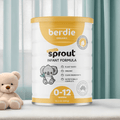
Sprout Organic: A Plant-Based Formula Option

Sprout Organic: A Plant-Based Formula Option | The Milky Box


Sprout Organic is made with organic rice and pea proteins and contains no dairy ingredients or lactose. It may be discussed when a family is seeking plant-based feeding or when dairy ingredients and lactose need to be avoided for non-anaphylactic reasons.


The Sprout Organic Australia product page describes the formula as gentle nutrition for little tummies. Its guide to soothing a gassy baby also emphasizes that there is no one-size-fits-all formula and recommends discussing changes with a healthcare professional.


Sprout Organic is not marketed as a colic treatment or a specialized hypoallergenic formula. The company states that its facilities also process dairy, creating a possibility of cross-contact. Families managing severe or anaphylactic dairy allergy require specialist advice.


Why We Love Sprout Organic 

Why We Love Sprout Organic | The Milky Box


Why We Love Sprout Organic 

Sprout Organic offers plant-based infant nutrition made with carefully selected organic ingredients. Its dairy-free and soy-free formulation provides an alternative for families seeking plant-based feeding for dietary, ethical, or personal reasons.

Plant-Based Rice and Pea Proteins
Sprout Organic combines organic rice and sprouted pea proteins to create a complementary amino-acid profile without using dairy or soy protein. Learn more in our Organic Vegan Baby Formula Parent’s Guide.

Organic Rice-Starch Carbohydrates
Instead of lactose or corn syrup, Sprout uses organic hydrolyzed rice starch as its main carbohydrate source. Because it contains no dairy ingredients, the formula is naturally lactose-free.

Essential Vitamins and Minerals
Sprout Organic is fortified with essential nutrients required for its intended age range, including iron, calcium, vitamin D, vitamin B12, zinc, and other vitamins and minerals needed within a nutritionally complete infant formula.

Organic Plant-Based Oils
Its fat blend includes organic coconut, canola, and sunflower oils. These plant-based oils provide essential dietary fats without relying on palm oil or dairy fat.

DHA Derived From Algae
Sprout contains DHA sourced from microalgae rather than fish oil. DHA is an omega-3 fatty acid included to support normal brain and visual development as part of a balanced infant-formula composition. Discover more in our Plant-Based Baby Formula Myths Debunked.

No Palm Oil
The formula is made without palm oil. Instead, Sprout uses its blend of organic coconut, canola, and sunflower oils to provide plant-based fats.

No Corn Syrup
Sprout Organic contains no corn syrup or corn-syrup solids. Its carbohydrates come primarily from organic rice starch, distinguishing it from some conventional dairy-free and soy-based formulas.

For a closer comparison with other plant-based options, read our Sprout Organic vs. Bébé M Comparison or explore the differences between Goat Milk and Plant-Based Baby Formula.

Important: Sprout Organic is not marketed as a specialized hypoallergenic or medical formula. Families managing a diagnosed allergy, especially a severe or anaphylactic dairy allergy, should consult a pediatrician or allergy specialist before use.

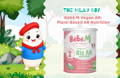
Bébé M Vegan AR: Plant-Based Anti-Reflux Nutrition

Bébé M Vegan AR: Plant-Based Anti-Reflux Nutrition | The Milky Box


Bébé M Vegan Anti-Reflux Stage 1 uses hydrolyzed rice protein and is thickened with carob gum and corn starch. It is lactose-free and designed for plant-based feeding where excessive regurgitation or reflux is a primary concern.


Because anti-reflux and allergy feeding plans can involve medical conditions, this specialized formula should be used with pediatric or allergy-specialist guidance. A plant-based label alone does not prove that a product is hypoallergenic.


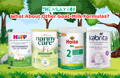
What About Other Goat-Milk Formulas?

What About Other Goat-Milk Formulas? | The Milky Box


Other goat-milk brands available from The Milky Box, including Nannycare, Kabrita, Holle Goat, and HiPP Goat, may be described as gentle and may suit some babies. However, they are standard goat-milk formulas rather than specialized anti-colic treatments. Like Jovie Goat, they contain mammalian milk proteins and are not suitable replacements for a medically indicated hypoallergenic formula.


How to Choose the Most Relevant Option

How to Choose the Most Relevant Option | The Milky Box
  • Gas, bloating, and constipation: Discuss HiPP Comfort or Kendamil Comfort.

  • Mild discomfort with standard cow’s-milk formula, without allergy: Discuss a goat-milk option such as Jovie Goat.

  • A preference or clinical need to avoid dairy ingredients and lactose: Discuss Sprout Organic or another medically appropriate plant-based formula.

  • Frequent reflux or regurgitation: Discuss HiPP AR or Bébé M Vegan AR, depending on the required protein source.

  • Suspected or confirmed CMPA: Do not self-select a goat, A2, standard plant-based, or partially hydrolyzed comfort formula. Ask a pediatrician or allergy specialist about an extensively hydrolyzed, amino-acid, or clinically appropriate rice-protein formula.

For a broader comparison of formula categories, ingredients, and stages, read Best Organic Baby Formula 2026: The Ultimate Guide or browse Sensitive and Specialized European Formulas.


Colic Formula Options Summary

Colic is difficult for both babies and caregivers, but it is usually temporary. The best feeding decision is not based on the product with the strongest “gentle” claim; it is based on the baby’s age, dominant symptoms, growth, allergy history, and medical assessment.


HiPP Comfort and Kendamil Comfort are the most directly targeted options in this guide for gas, bloating, constipation, and colic-like digestive discomfort. Jovie Goat may be considered for mild digestive sensitivity without allergy. Sprout Organic provides a plant-based option without dairy ingredients or lactose, while HiPP AR and Bébé M Vegan AR are more relevant when reflux and regurgitation drive the distress.


Before changing formula, consult the baby’s pediatrician and follow preparation instructions exactly. If allergy is suspected, avoid trial-and-error switching and seek professional guidance promptly.


Medical disclaimer: This article provides general educational information and does not diagnose or treat any medical condition. Always consult a pediatrician before changing an infant’s formula or using a specialized formula. Seek urgent medical care for breathing difficulty, facial swelling, green or forceful vomiting, blood in stool, fever, severe lethargy, dehydration, or other concerning symptoms.


Written by Suzanne Renee',

Infant Nutrition Expert

Suzanne Renee' is an accomplished professional with extensive expertise in the area of infant nutrition, dedicated to promoting the health and wellbeing of children. She started this journey as a foster parent.


Suzanne has emerged as a strong proponent of the European baby formula and has become a full-time writer on the subject.

In her free time, she enjoys camping, hiking, and going to church.

Frequently Asked Questions

Can changing formula stop colic?

Sometimes a carefully selected formula may reduce symptoms associated with gas, constipation, reflux, or a diagnosed feeding problem. However, colic often occurs without an identifiable formula intolerance, and no formula is proven to stop colic in every baby.

Is goat formula better for colic?

Some babies may tolerate a goat-milk formula comfortably, but current evidence does not establish goat formula as a universal colic treatment. Goat formula is not suitable for confirmed cow’s-milk protein allergy.

Is lactose-free formula always better for a colicky baby?

No. Primary lactose intolerance is uncommon in young infants, and lactose-free formula does not treat cow’s-milk protein allergy. Use reduced-lactose or lactose-free formula only when it matches the baby’s assessed needs.

How long does colic last?

Colic often begins within the first few weeks of life and commonly improves by three to four months. Seek medical advice if symptoms persist, worsen, or occur with poor feeding, abnormal stools, vomiting, fever, or poor growth.

How quickly should a new formula work?

The answer depends on the underlying problem. Some feeding symptoms may change within days, while stool patterns can take longer to settle. Ask the pediatrician how long to trial the chosen formula and which symptoms should trigger an earlier review.

Are probiotics proven to treat colic?

Evidence varies by probiotic strain, feeding method, and infant population. A product labeled “probiotic” should not automatically be expected to treat colic. Read Probiotics for Infants: Everything You Need to Know and discuss any supplement with a healthcare professional.

Where we can buy premium baby formula for colic in the USA?

Through The Milky Box with all-inclusive pricing — import duties, customs, and tracked shipping covered. See our shipping policy for delivery details.

References

Reference & Citation

AmericanAcademy of Pediatrics. (2026, February 12). Food allergiesand intolerances.


AustralasianSociety of Clinical Immunology and Allergy. (2026, June). Milk substitutesin cow’s milk allergy.


Gordon,M., Biagioli, E., Sorrenti, M., Lingua, C., Moja, L., Banks, S. S. C., Ceratto,S., & Savino, F. (2018). Dietary modifications for infantile colic. Cochrane Database of Systematic Reviews,2018(10), Article CD011029.


Haiden,N., Savino, F., Hill, S., Kivelä, L., De Koning, B., Köglmeier, J., Luque, V.,Moltu, S. J., Norsa, L., De Pipaon, M. S., Verduci, E., & Bronsky, J.(2024). Infant formulas for the treatment of functional gastrointestinaldisorders: A position paper of the ESPGHAN Nutrition Committee. Journal of Pediatric Gastroenterology and Nutrition, 79(1),168-180.


HiPP.(n.d.). ComfortSpezialnahrung. Retrieved July 27, 2026.


JovieProducts. (n.d.). Jovie Goat biologische flesvoeding.Retrieved July 27, 2026.


NationalHealth Service. (n.d.). Colic.Retrieved July 27, 2026.


SproutOrganic. (2024, May 10). Tummy troubles:How to soothe your gassy bub.


SproutOrganic. (n.d.). Infant formula.Retrieved July 27, 2026.


TheMilky Box. (2023, December 21). Best babyformula for colic.


TheMilky Box. (2024, July 1). Signs formuladoesn’t agree with baby.


TheMilky Box. (2026, April 1). Best organicbaby formula 2026: The ultimate guide.


TheMilky Box. (2026, April 10). Jovie goat milkformula: The ultimate guide.


TheMilky Box. (n.d.). Bébé M VeganAnti-Reflux Stage 1. Retrieved July 27, 2026.


TheMilky Box. (n.d.). HiPP Comfortinfant formula. Retrieved July 27, 2026.


TheMilky Box. (n.d.). Kendamil Comfortmilk. Retrieved July 27, 2026.

Disclaimer:


Please be aware that this information is based on general trends in babies, and it is not medical advice. Your doctor should be your first source of information and advice when considering any changes to your child’s formula and when choosing your child’s formula. Always consult your pediatrician before making any decisions about your child’s diet or if you notice any changes in your child.


Breastfeeding is the best nutrition for your baby because breast milk provides your child with all the essential nutrients they need for growth and development. Please consult your pediatrician if your child requires supplemental feeding.


Suzanne Renee' is an accomplished professional with extensive expertise in the area of infant nutrition, dedicated to promoting the health and wellbeing of children. She started this journey as a foster parent. Suzanne has emerged as a strong proponent of the European baby formula and has become a full time writer of the subject. In her free time, she enjoys camping, hiking and going to church.

Leave a Comment:

Comments will be approved before showing up.

Name:

Email:

Comment:

Read Next: