Infant Botulism 2026 Update: Symptoms, Causes, Formula Safety and What Parents Need to Know


By: Suzanne Renee' - July 31, 2026 - 10 Minute Read

Infant Botulism 2026 Update: Symptoms, Causes, Formula Safety and What Parents Need to Know | The Milky Box

Infant botulism is rare, but it can be serious. For parents, the name alone may sound frightening—especially when it appears in the news alongside an infant formula recall or outbreak investigation.


Understanding the condition can help families recognize possible warning signs, respond appropriately and separate verified public-health information from rumors circulating online.


This guide explains what infant botulism is, how babies may be exposed, which symptoms require immediate medical attention and what parents should do when infant formula is recalled.


The Battle for Every Bottle The Little Knight's Mighty Protection | The  Milky Box
 Emergency warning: Seek immediate medical care if your baby develops difficulty breathing, swallowing, or feeding; becomes unusually weak or floppy; loses head control; or shows several possible symptoms of infant botulism | The Milky Box

What Is Infant Botulism?

What Is Infant Botulism? | The Milky Box


Infant botulism develops when spores from toxin-producing Clostridium bacteria enter a baby’s digestive system, grow in the intestines and release botulinum neurotoxin.

The toxin interferes with communication between nerves and muscles. This can cause gradually increasing muscle weakness, including weakness in the muscles used for sucking, swallowing and breathing.


Infant botulism is different from the type of foodborne botulism more commonly discussed in adults. In foodborne botulism, a person generally consumes toxin that has already formed in contaminated food. In infant botulism, spores are swallowed and then produce toxin inside the baby’s intestines.


Babies are more vulnerable because their intestinal microbiome and natural defenses are still developing.


A clinical review by Fox, Keet and Strober (2005) describes the presentation, diagnosis and treatment of infant botulism. A more recent review of global cases reported between 2007 and 2021 shows that the condition occurs internationally and reinforces the importance of recognition and surveillance (Dabritz et al., 2025).

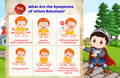
What Are the Symptoms of Infant Botulism?

What Are the Symptoms of Infant Botulism? | The Milky Box

Symptoms may begin gradually and can initially resemble more common feeding or digestive problems. A baby may show some—but not necessarily all—of the following signs.

  • Constipation: Fewer bowel movements than usual or a noticeable change in the baby’s normal pattern.

  • Poor feeding: Drinking less, refusing feeds or tiring unusually quickly.

  • Weak sucking Difficulty swallowing: Difficulty maintaining suction on the breast or bottle

    Coughing, choking, drooling or appearing unable to coordinate a feed.

  • Weak or altered cry: A cry that sounds quieter, weaker or different from normal.

  • Reduced facial expression: The baby’s face may appear unusually still or less responsive.

  • Drooping eyelids Loss of head control: One or both eyelids may appear lower than usual

    A baby who previously held their head more steadily can no longer do so.

According to the CDC Clinical Overview of Infant Botulism, possible signs also include sluggish pupils and diminished suck and gag reflexes. If untreated, weakness can progress and affect the muscles needed for breathing. The CDC's Clinical Guidelines for Diagnosis and Treatment of Botulism provide additional evidence-based guidance for recognizing and managing suspected cases (Rao et al., 2021).


Is Constipation Always a Sign of Infant Botulism?

Is Constipation Always a Sign of Infant Botulism? | The Milky Box


No. Constipation is common in babies and has many possible causes. A change in formula, feeding pattern, hydration or the introduction of solid foods may affect bowel movements.

Constipation becomes more concerning when it appears alongside poor feeding, weak sucking, a different cry, drooping eyelids, reduced facial expression, loss of head control or unusual floppiness.


Parents know their baby’s normal behavior best. A combination of new or worsening symptoms should be assessed promptly by a healthcare professional.

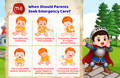
When Should Parents Seek Emergency Care?

Should Parents Seek Emergency Care? | The Milky Box


Seek immediate medical care if a baby:

  • Has difficulty breathing

  • Cannot swallow or feed normally

  • Frequently chokes or coughs during feeding

  • Becomes unusually weak, floppy or difficult to wake

  • Loses previously established head control

  • Has a noticeably weak or altered cry

  • Shows reduced facial movement or drooping eyelids

  • Consumed recalled formula and develops possible symptoms

Do not wait for laboratory confirmation or attempt to diagnose infant botulism at home. Initial medical decisions are based largely on the baby’s symptoms and clinical examination.


If breathing is difficult, the baby becomes unresponsive or the symptoms appear to be progressing rapidly, call emergency services immediately.

What Causes Infant Botulism?

What Causes Infant Botulism? | The Milky Box


Infant botulism can develop after a baby swallows spores of toxin-producing Clostridium bacteria. These spores can exist naturally in the environment, including in soil and dust.

Potential sources include:

  • Honey and products containing honey

  • Honey-filled or honey-dipped pacifiers

  • Environmental soil or dust

  • Rare contamination of a food or powdered ingredient

  • Rare contamination events involving powdered infant formula

In many individual cases, the exact source is never identified. The CDC botulism prevention guidance explains that most infant botulism cases cannot be completely prevented. However, avoiding honey during the first year is one clear preventive action parents can take.


Why Is Honey Unsafe for Babies Younger Than One?

Why Is Honey Unsafe for Babies Younger Than One? | The Milky Box


Honey can contain bacterial spores that an older child’s or adult’s digestive system can usually prevent from growing. A young baby’s intestinal environment is less mature, allowing the spores to potentially grow and produce toxin.


Babies younger than 12 months should not be given:

  • Raw or pasteurized honey

  • Foods sweetened with honey

  • Drinks containing honey

  • Honey-dipped pacifiers

  • Herbal or traditional remedies containing honey

Cooking, baking or pasteurization should not be treated as a reliable way to make honey safe for an infant. The simplest rule is to avoid honey and honey-containing products entirely until after the baby’s first birthday.


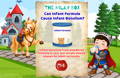
Can Infant Formula Cause Infant Botulism?

Can Infant Formula Cause Infant Botulism?| The Milky Box


Infant botulism connected to powdered infant formula is rare. Nevertheless, recent outbreak investigations have shown that contamination events can occur and that parents should take every official formula recall seriously.


Powdered infant formula is not a sterile product. This does not mean that powdered formula is normally unsafe, but it does mean that careful manufacturing, ingredient controls, storage and preparation are important.


Following formula-associated infant botulism investigations, the FDA expanded its attention to ingredient sourcing, spore-forming microorganisms and powdered-formula manufacturing controls. The agency summarizes these actions in its post-outbreak response on Clostridium botulinum and powdered infant formula.


Contamination may potentially originate from:

  • A raw material or powdered ingredient

  • The manufacturing environment

  • Processing or packaging equipment

  • Storage and transportation conditions

  • The environment where a bottle is prepared

Formula safety cannot be determined only by whether a product is American, European, Australian, organic, conventional, cow-milk, goat-milk or plant-based. Manufacturing location and organic certification do not guarantee that a product can never be recalled.


Parents should rely on the exact brand, product name, lot number and use-by date published in an official recall notice.

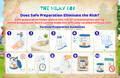
Does Safe Preparation Eliminate the Risk?

Does Safe Preparation Eliminate the Risk? | The Milky Box


Safe preparation helps reduce the risk of contamination during bottle preparation, but it cannot make officially recalled formula safe.


Do not attempt to make a recalled product safe by boiling it, heating it for longer or changing the mixing instructions. Stop using the recalled product and follow the instructions issued by the FDA, CDC, manufacturer or local health authority.


For formula that is not recalled, parents should:

  • 1. Wash their hands thoroughly before preparing a bottle.

  • 2. Clean and sanitize the preparation surface.

  • 3. Use clean and properly sanitized feeding equipment.

  • 4. Follow the exact water-to-powder ratio on the formula packaging.

  • 5. Add the correct amount of water and powder without diluting or concentrating the feed.

  • 6. Keep the formula powder and scoop dry.

  • 7. Use prepared formula within the recommended period.

  • 8. Discard formula left in a bottle after feeding.

  • 9. Store opened powder in a cool, dry place with the lid tightly closed.

  • 10. Never use formula after its use-by date.

The CDC infant formula preparation and storage guidance recommends throwing away formula left in the bottle after feeding because saliva can allow bacteria to grow. Opened powdered formula should be stored in a cool, dry place rather than in the refrigerator.


Extra Precautions for Higher-Risk Babies

Extra Precautions for Higher-Risk Babies | The Milky Box


Babies may be at greater risk of serious illness from microorganisms in powdered formula if they:

  • Are younger than two months

  • Were born prematurely

  • Have a weakened immune system

  • Are currently ill

  • Are receiving certain medical treatments

The FDA's infant formula safety guidance identifies ready-to-feed liquid formula as the safest formula option for higher-risk formula-fed babies because it is commercially sterile. Parents should discuss the most appropriate option and preparation method with their pediatrician.


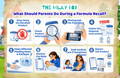
What Should Parents Do During a Formula Recall?

What Should Parents Do During a Formula Recall? | The Milky Box


Formula-recall instructions vary. Parents should follow the directions published for the specific incident rather than relying on instructions from an older recall.

  • Step 1: Stop Using the Recalled Product
    Do not feed the product to the baby while checking what to do next. Keep it separated from formula that is still safe to use.

  • Step 2: Check the Complete Product Information 

    Confirm:

    • Brand

    • Full product name

    • Package size

    • Lot or batch number

    • Use-by date

    • Where and when it was purchased


    A recall may initially cover only selected lots before later expanding to additional products. Check the most recent version of the official announcement.

  • Step 3: Photograph the Packaging 

    Take clear photographs of the front and back of the container, lot number, use-by date and purchase receipt if available. 


    This information may be useful when contacting the retailer, manufacturer, FDA or healthcare provider.

  • Step 4: Follow the Recall-Specific Disposal Instructions
    Do not automatically throw away an opened container before reading the official instructions. During an outbreak investigation, public-health authorities may ask families to label and retain leftover formula for possible testing.


    If the instructions say to retain it:

    • Mark the container clearly with “DO NOT USE”

    • Keep it securely separated from all feeding products.

    • Prevent other caregivers from using it accidentally.

    • Follow the specified storage and disposal timeline

  • Step 5: Clean Affected Feeding Items and Surfaces
    Wash bottles, nipples, caps, scoops, preparation equipment and surfaces that may have touched the recalled product according to the recall instructions.


    The CDC provides detailed guidance for cleaning, sanitizing and safely storing infant feeding items.

  • Step 6: Monitor the Baby
    Watch for feeding difficulties, constipation, weak crying, reduced facial expression, loss of head control, unusual floppiness or breathing problems.


    Symptoms associated with infant botulism may not always appear immediately after exposure. Follow the monitoring period specified in the official outbreak notice.

  • Step 7: Seek Medical Care if Symptoms 

    Seek medical attention before spending time completing a consumer report. Bring or show the healthcare provider photographs of the formula packaging and recall information.

  • Step 8: Report the Product

    Parents in the United States can report a problem, illness or serious allergic reaction through the FDA Safety Reporting Portal.

    Reporting a product concern does not replace medical care.

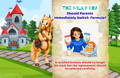
Should Parents Immediately Switch Formula?

Should Parents Immediately Switch Formula? | The Milky Box

A recalled formula should no longer be used, but the replacement should be selected carefully.


Before switching, consider:

  • The baby’s age

  • Whether the formula is standard or specialized

  • Diagnosed allergies

  • Cow’s-milk protein allergy

  • Prematurity

  • Reflux or swallowing difficulties

  • Growth concerns

  • Medical conditions

  • Whether the baby requires an extensively hydrolyzed or amino-acid formula

Parents should not assume that goat-milk, plant-based, partially hydrolyzed or “gentle” formula is a direct replacement for a medically prescribed hypoallergenic formula.


Babies using specialized formula should be switched under the guidance of a pediatrician or qualified healthcare professional. In urgent shortage or recall situations, the healthcare provider may recommend the closest nutritionally appropriate alternative.


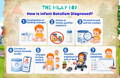
How Is Infant Botulism Diagnosed?

How Is Infant Botulism Diagnosed? | The Milky Box


A healthcare professional will evaluate the baby’s symptoms, feeding ability, muscle tone, reflexes and breathing.


Laboratory testing may be used to confirm the diagnosis, but treatment decisions should not necessarily be delayed while awaiting results. The CDC advises clinicians to contact theInfant Botulism Treatment and Prevention Programwhen infant botulism is suspected.


Parents should tell the medical team about:

  • Recent constipation or feeding changes

  • Honey or honey-pacifier exposure

  • Formula brand and lot number

  • Current or recent formula recalls

  • Changes in crying, facial expression or head control

  • Possible exposure to soil or dust

  • When each symptom began

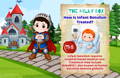
How Is Infant Botulism Treated?

How Is Infant Botulism Treated? | The Milky Box


Infant botulism requires hospital-based medical care. Treatment may include BabyBIG®, also known as human botulism immune globulin.


BabyBIG works by neutralizing toxin that has not yet attached to nerve endings. It cannot immediately reverse weakness that has already developed, which is why early recognition and treatment are important.


A controlled clinical study published in The New England Journal of Medicine found that prompt treatment with human botulism immune globulin reduced illness severity and the length and cost of hospitalization (Arnon et al., 2006). A 12-year postlicensure study also supported the effectiveness of timely BabyBIG use in the United States (Payne et al., 2018).


Some babies may also require:

  • Breathing support

  • Assistance with feeding

  • Monitoring in an intensive care unit

  • Monitoring in an intensive care unit

Recovery may take time because affected nerve endings and muscles need to regain normal function. With appropriate recognition and medical care, babies can recover.


Infant Botulism Is Different From Cronobacter Infection

Infant Botulism Is Different From Cronobacter Infection | The Milky Box


The 2023–2024 Nutramigen recall involved potential Cronobacter sakazakii contamination, not Clostridium botulinum. Families can learn more in our Nutramigen Infant Formula Recall Guide and Formula Recall and Hypoallergenic Alternatives Guide.

What Past Formula Recalls Can Teach Parents

What Past Formula Recalls Can Teach Parents | The Milky Box


Past recalls show why parents should always check the latest official notice rather than relying on the first announcement.


During the 2025 ByHeart incident, the recall initially covered selected lots before expanding to all ByHeart Whole Nutrition infant formula products. That experience demonstrates how the scope of a recall can change as an investigation develops.


Read our original report: ByHeart Formula Recall 2025: What U.S. Parents Need to Know About Infant Botulism.


Historical recall articles remain useful for understanding previous events, but parents responding to a current outbreak should always check the latest information directly from the FDA, CDC and their healthcare provider.

See you on the next adventure! | The Milky Box

Written by Suzanne Renee',

Infant Nutrition Expert

Suzanne Renee' is an accomplished professional with extensive expertise in the area of infant nutrition, dedicated to promoting the health and wellbeing of children. She started this journey as a foster parent.


Suzanne has emerged as a strong proponent of the European baby formula and has become a full-time writer on the subject.

In her free time, she enjoys camping, hiking, and going to church.

Frequently Asked Questions

Is infant botulism common?

No. Infant botulism is rare, but it is serious enough that possible symptoms require prompt medical evaluation.

Can babies get infant botulism without eating honey?

Yes. Honey is a known preventable source, but spores may also exist in soil or dust. In many cases, the precise source is not identified.

Can breastfeeding babies develop infant botulism?

Infant botulism relates to swallowing spores and is not limited to one feeding method. Any baby showing possible symptoms should receive medical assessment, regardless of whether they are breastfed, formula-fed or combination-fed.

Is every case of constipation an emergency?

No. Constipation alone is common and does not automatically indicate botulism. It becomes more concerning when accompanied by poor feeding, weak sucking, an altered cry, drooping eyelids, loss of head control or unusual muscle weakness.

Can parents test formula for botulism at home?

No. Home testing cannot diagnose infant botulism or reliably determine whether formula is safe. Testing associated with an outbreak should be performed by qualified public-health or regulatory laboratories.

Does boiling recalled formula make it safe?

No. Never use recalled formula, even after heating or boiling. Follow the official recall instructions.

Should every baby use ready-to-feed formula?

Not necessarily. Ready-to-feed formula can be particularly useful for premature, very young, ill or immunocompromised babies because it is commercially sterile. Parents should discuss their baby’s individual needs with a pediatrician.

Can a baby recover from infant botulism?

Yes. With appropriate treatment and supportive care, babies can recover. Recovery may be gradual because affected nerves and muscles need time to regain normal function.

Where can parents check for current formula recalls?

Staying Informed Without Panicking

A formula recall can understandably make parents anxious. However, a recall involving one product does not mean that every formula is contaminated or that every baby who consumed the product will become ill.


The most important actions are to:

• Confirm information through official sources.

• Stop using products included in the recall.

• Check the complete lot and use-by information.

• Follow the current recall instructions.

• Recognize possible symptoms.

• Seek medical care promptly when symptoms appear.

• Consult a pediatrician before replacing specialized formula.


Infant botulism is rare, but knowing the signs can help families respond quickly and confidently if another outbreak or formula recall occurs.


References

Reference & Citation

Centers for Disease Control and Prevention. (2024). Clinical overview of infant botulism. https://www.cdc.gov/botulism/hcp/clinical-overview/infant-botulism.html


Centers for Disease Control and Prevention. (2025). How to clean, sanitize, and storeinfant feeding items. https://www.cdc.gov/hygiene/about/clean-sanitize-store-infant-feeding-items.html


Centers for Disease Control and Prevention. (2026). Botulism prevention. https://www.cdc.gov/botulism/prevention/index.html


Centers for Disease Control and Prevention. (2026). Infant formula preparation andstorage. https://www.cdc.gov/infant-toddler-nutrition/formula-feeding/preparation-and-storage.html


U.S. Food and Drug Administration. (2024). Handling infant formula safely: Whatyou need to know. https://www.fda.gov/food/buy-store-serve-safe-food/handling-infant-formula-safely-what-you-need-know


U.S. Food and Drug Administration. (2026). Infant formula information forparents and caregivers. https://www.fda.gov/food/infant-formula-homepage/infant-formula-information-parents-caregivers


Arnon, S. S., Schechter, R., Maslanka, S. E., Jewell, N. P., &Hatheway, C. L. (2006). Human botulism immune globulin for the treatment ofinfant botulism. The New England Journalof Medicine, 354(5), 462–471. https://doi.org/10.1056/NEJMoa051926


Dabritz, H. A., Chung, C. H., Khouri, J. M., & Read, J. S.(2025). Global occurrence of infant botulism, 2007–2021. Pediatrics, 155(4), e2024068791.https://doi.org/10.1542/peds.2024-068791


Fox, C. K., Keet, C. A., & Strober, J. B. (2005). Recentadvances in infant botulism. PediatricNeurology, 32(3), 149–154. https://doi.org/10.1016/j.pediatrneurol.2004.10.001


Infant Botulism Treatment and Prevention Program. (n.d.). Infant Botulism Treatment and PreventionProgram. California Department of Public Health. https://www.infantbotulism.org/


Payne, J. R., Khouri, J. M., Jewell, N. P., & Arnon, S. S.(2018). Efficacy of human botulism immune globulin for the treatment of infantbotulism: The first 12 years postlicensure. TheJournal of Pediatrics, 193, 172–177. https://doi.org/10.1016/j.jpeds.2017.10.035


Rao, A. K., Sobel, J., Chatham-Stephens, K., & Luquez, C.(2021). Clinical guidelines for diagnosis and treatment of botulism, 2021. MMWR Recommendations and Reports, 70(2),1–30. https://doi.org/10.15585/mmwr.rr7002a1


U.S. Food and Drug Administration. (2026). Post-outbreak response activities: Clostridium botulinum illnessesassociated with consumption of powdered infant formula. https://www.fda.gov/food/outbreaks-foodborne-illness/post-outbreak-response-activities-clostridium-botulinum-illnesses-associated-consumption-powdered

Disclaimer:


Please be aware that this information is based on general trends in babies, and it is not medical advice. Your doctor should be your first source of information and advice when considering any changes to your child’s formula and when choosing your child’s formula. Always consult your pediatrician before making any decisions about your child’s diet or if you notice any changes in your child.


Breastfeeding is the best nutrition for your baby because breast milk provides your child with all the essential nutrients they need for growth and development. Please consult your pediatrician if your child requires supplemental feeding.


Suzanne Renee' is an accomplished professional with extensive expertise in the area of infant nutrition, dedicated to promoting the health and wellbeing of children. She started this journey as a foster parent. Suzanne has emerged as a strong proponent of the European baby formula and has become a full time writer of the subject. In her free time, she enjoys camping, hiking and going to church.

Leave a Comment:

Comments will be approved before showing up.

Name:

Email:

Comment:

Read Next: