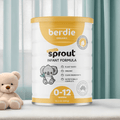
Reading infant formula labels can feel like decoding a chemistry exam, but there are a few things worth checking every time:
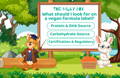
Protein Source: Is it soy protein isolate, hydrolyzed rice protein, or a pea and rice blend? Each has different implications for allergies, taste, and amino acid completeness. Our rice protein vs pea protein guide explains the differences in detail.
Carbohydrate Source: Lactose is the gold standard in dairy formulas because it mirrors breast milk. In plant-based formulas, you will typically see rice starch, corn maltodextrin, or corn syrup solids. Rice starch and maltodextrin are considered gentler options. Corn syrup solids are widely used in US soy formulas but avoided by most European and Australian manufacturers.
DHA Source: Fish oil or algal (plant-derived)? If the formula claims to be vegan but lists fish oil as the DHA source, it is not truly vegan. Look for "algal DHA" or "DHA from Schizochytrium sp." on the label.
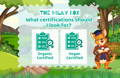
Certification: "Plant-based" on the front of the box is a marketing term. Look for independently verified certifications — certified organic, certified vegan — on the packaging. These mean a third party has actually audited the product, not just the brand's marketing team.
Regulatory compliance: Every infant formula should clearly state which regulatory standard it meets. In Europe, that is the EU infant formula directive. In Australia, it is FSANZ. In the US, it is the FDA. If you cannot find this information on the label or the manufacturer's website, that is a red flag.
For a broader breakdown of what belongs (and what does not belong) in your baby's formula, our toxic baby formula ingredients guide covers the worst offenders.