The shift toward goat milk formula has accelerated in recent years, and for good reason. While both goat and cow milk formulas are nutritionally complete and meet EU infant nutrition standards, there are meaningful differences that matter to parents:
Easier digestion. Goat milk proteins form smaller, softer curds in the stomach, which break down faster than the larger, firmer curds formed by cow milk proteins. For babies prone to gas, constipation, or general digestive discomfort, this can make a noticeable difference in feeding comfort.
A2 protein. Goat milk naturally contains A2 beta-casein, while most conventional cow milk contains A1 beta-casein. A1 protein releases the peptide BCM-7 during digestion, which some research has linked to digestive inflammation and discomfort. A2 protein does not produce this peptide, which is one reason goat milk formula tends to be gentler on sensitive stomachs.
Lower lactose. Goat milk naturally contains slightly less lactose than cow milk. While this does not make it suitable for babies with diagnosed lactose intolerance, it can be beneficial for babies who show mild sensitivity to lactose levels in standard cow milk formulas.
Naturally occurring prebiotics. Goat milk contains oligosaccharides that are structurally similar to human milk oligosaccharides (HMOs), which play a key role in supporting gut bacteria and immune development. Cow milk contains these too, but in lower concentrations.
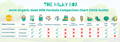
If you are weighing goat milk against cow milk for your baby, our best goat milk formula guide covers the full landscape of available options, and our baby formula comparison chart lets you compare Jovie side by side with other brands.