


Most have been around for over a decade and predate the modern plant-based infant formula category. Many trace back to confusion between vegan adult diets and regulated infant formula — which are completely different conversations.
Plant-Based Baby Formula Myths Debunked:
What Parents Get Wrong in 2026
By: Suzanne Renee' - May 27, 2026 - 14 Minute Read
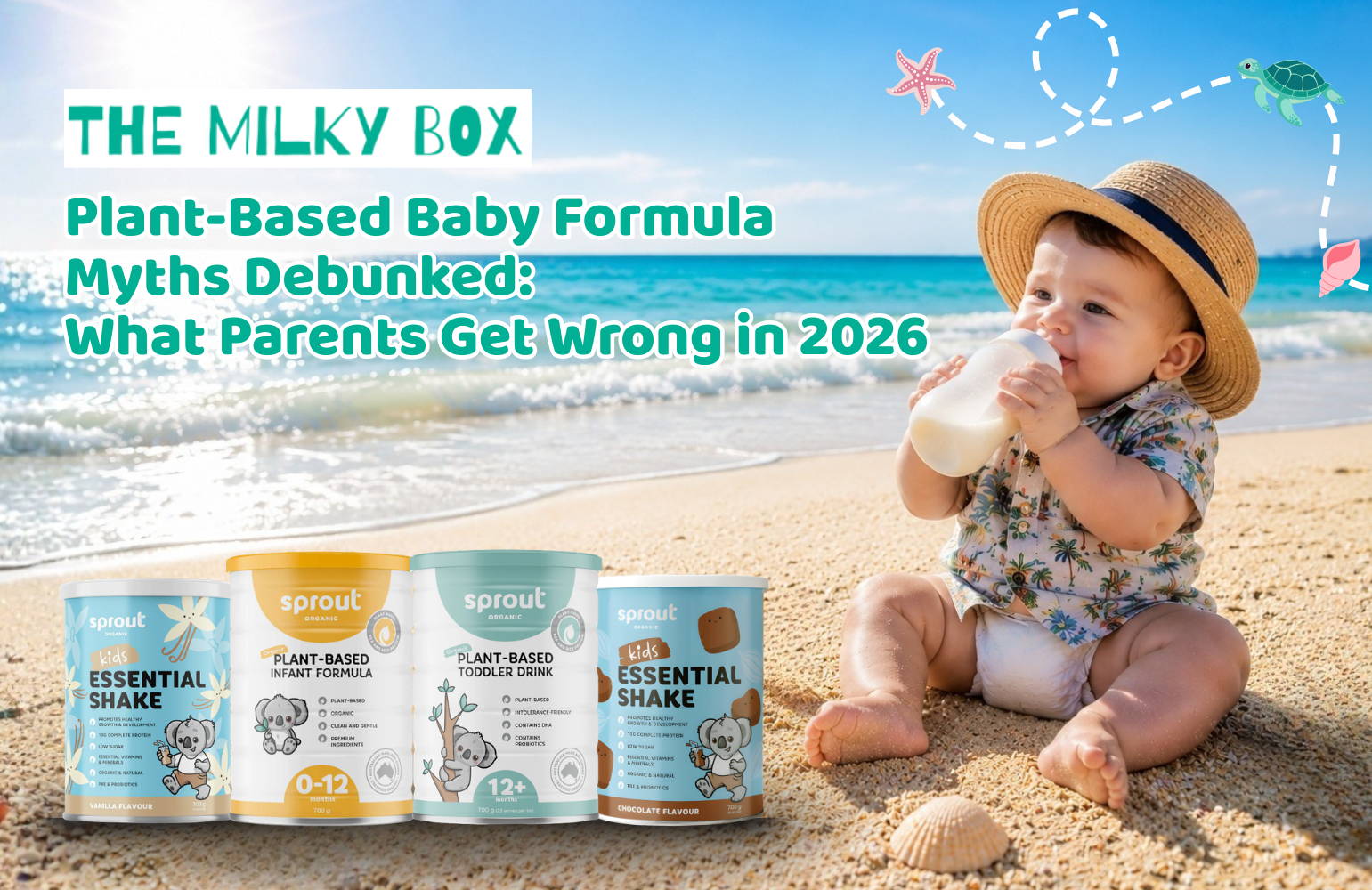
Plant-based baby formula has gone from a niche product to a mainstream option in just a few years. But growth like that comes with confusion — and a lot of misinformation. Parents researching plant-based formula run into the same questions and concerns over and over again, often based on outdated assumptions, marketing from competing brands, or honest misunderstandings about how infant nutrition is actually regulated.
We hear these from customers every week. Some are reasonable concerns worth addressing. Others are flat-out wrong. This article tackles the most common myths head-on — with sources, science, and straightforward answers. As always, talk to your pediatrician before making any formula decisions for your baby.
Table of Contents:
1. Myth #1: Babies can't get enough protein from plants
2. Myth #2: Plant protein is incomplete and inferior to dairy
3. Myth #3: There's no DHA in vegan formula
4. Myth #4: Rice-based formulas have dangerous arsenic levels
5. Myth #5: Plant-based formula is only for vegan families
6. Myth #6: Plant-based and vegan are the same thing
7. Myth #7: Babies on plant-based formula won't grow properly
8. Myth #8: Plant-based formula is full of sugar and additives
9. Myth #9: Plant-based formula isn't really regulated
10. Myth #10: My pediatrician will be against it
11. What's Actually True About Plant-Based Formula
12. FAQs
Myth #1: Babies can't get enough protein from plants
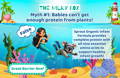
Verdict: False.
This is the most common concern parents bring up, and it is based on an outdated understanding of plant protein. Modern plant-based infant formulas are formulated to deliver protein in the same quantity and quality range required by every other infant formula sold legally — regulated by FSANZ (Food Standards Australia New Zealand), the EU infant formula directive, and the FDA.
The official method for assessing infant formula protein quality is PDCAAS (Protein Digestibility-Corrected Amino Acid Score), adopted by the FAO/WHO Expert Consultation as the regulatory standard for protein quality. Plant proteins commonly used in infant formula score within the acceptable range required for infant nutrition. Soy and hydrolyzed rice proteins have been approved and widely used for decades. Newer sources like pea protein are part of a growing body of clinical research backing their use in infant formula.
Sprout Organic Infant Formula delivers protein from a blend of organic fermented pea protein and organic fermented and sprouted rice protein. Together, this combination provides all nine essential amino acids — at the levels required to support healthy infant growth.
For more on why pea and rice together work so well, read our rice protein vs pea protein guide.
Myth #2: Plant protein is incomplete and inferior to dairy
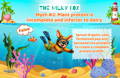
Verdict: False - when proteins are combined correctly.
This myth has a kernel of truth, but it falls apart in context.
Looked at individually, most plant proteins are missing or low in one or two essential amino acids. Pea protein is high in lysine but lower in methionine. Rice protein is the opposite — high in methionine, lower in lysine. So on its own, neither one is a "complete" protein in the way dairy is.
But here is the thing: plant proteins are not used individually in well-formulated plant-based infant formula. They are combined. When pea protein and rice protein are blended together, the limiting amino acid in one is supplied by the other. The combined protein profile delivers all nine essential amino acids at the levels infants need.
This is exactly the approach Sprout Organic takes — fermented pea protein plus fermented and sprouted rice protein, blended to create a naturally complete amino acid profile without hydrolysis or supplemental free amino acids. It is the same nutritional principle behind dishes like rice and beans in many traditional cuisines: two incomplete proteins, when paired, become complete.
For families needing an even more processed protein option (like babies with confirmed CMPA), formulas like Bébé M use hydrolyzed rice protein with supplemental free amino acids to achieve the same complete profile. Different approach, same outcome.
Myth #3: There's no DHA in vegan formula
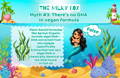
Verdict: False — and it's chemically identical to fish-sourced DHA.
DHA (docosahexaenoic acid) is critical for brain and eye development in infants. The myth comes from the assumption that since most conventional formulas use fish oil as the DHA source, plant-based formulas must skip it.
They don't. Plant-based formulas like Sprout Organic include algal DHA — DHA extracted from microalgae (specifically Schizochytrium sp.). Algal DHA is chemically identical to the DHA found in fish oil. The fish do not produce DHA themselves; they get it by eating algae. Algal DHA is, in a sense, the source — fish are the middlemen.
For families avoiding fish-derived ingredients (vegan, fish-allergic, or just preferring cleaner sourcing chains), algal DHA delivers the same brain and eye development benefits as fish-sourced DHA. Several non-vegan formulas have also switched to algal DHA, including Holle Dutch Goat and Kendamil Goat — showing that "plant-based DHA" is no longer just a vegan niche feature.
Myth #4: Rice-based formulas have dangerous arsenic levels
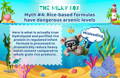
Verdict: Misleading — context matters enormously.
This is the most reasonable-sounding concern on the list, because there is a legitimate basis for caution about arsenic in rice. Rice naturally absorbs trace amounts of inorganic arsenic from soil and water. But the leap from "rice can contain arsenic" to "rice-based infant formula is dangerous" misses critical context about how formula is actually manufactured and regulated.
Here is what is actually true:
Hydrolyzed and purified rice protein in regulated infant formula is processed to dramatically reduce heavy metal content compared to whole grain rice products. Manufacturers actively select rice sources with the lowest arsenic levels and test final products against strict regulatory limits.
The EU has set hard regulatory limits on inorganic arsenic in infant formula: 20 parts per billion (ppb) for powdered formula and 10 ppb for liquid formula. Any formula that exceeds these limits cannot be legally sold in the EU.
Recent independent US testing in 2025 found that no US infant formulas exceeded EU limits for arsenic— and notably, the two formulas with the highest arsenic levels in that testing were both cow milk-based hypoallergenic products, not plant-based ones.
Sprout Organic is validated against FSANZ infant nutrition standards, which include strict limits on contaminants including arsenic. Every batch is tested against these limits.
The arsenic concern is real and worth taking seriously — but it applies to high-volume consumption of unprocessed rice products (like rice cereal eaten three times a day), not regulated infant formula where the protein has been processed, purified, and tested. For a deeper look at heavy metals and other formula contaminants, read our toxic baby formula ingredients guide.
Myth #5: Plant-based formula is only for vegan families
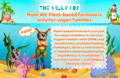
Verdict: False.
This is one of the most consequential misunderstandings about plant-based formula, because it leads families who genuinely need it to overlook it.
Plant-based formula is used by:
Families with babies diagnosed with cow's milk protein allergy (CMPA) — a fully dairy-free option without the cross-reactivity issues of goat milk or the limitations of soy. For details, read our CMPA and plant-based formula guide.
Families dealing with soy allergies or sensitivities — many US soy formulas (like Enfamil ProSobee) are out, but Sprout's pea+rice protein is soy-free.
Families avoiding palm oil, corn syrup, or other ingredients common in dairy formulas — see our palm oil concerns and sugar in baby formula guides.
Families dealing with multiple sensitivities where dairy, goat, and soy formulas have all failed.
Families with religious dietary requirements (kosher, halal, certain Hindu traditions) — Sprout is certified halal.
Families with environmental or ethical considerations, even if they are not strictly vegan.
Vegan families— yes, this group too. But they are far from the only ones.
Plant-based formula is an infant nutrition category, not a lifestyle product.
Myth #6: Plant-based and vegan are the same thing
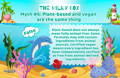
Verdict: False — and the difference matters.
"Plant-based" is a marketing term with no legal definition. A formula can be labeled "plant-based" while still containing animal-derived ingredients — most commonly vitamin D3 sourced from lanolin (sheep's wool) or DHA from fish oil.
Certified vegan is a third-party-verified status meaning zero animal-derived ingredients of any kind — including vitamins and DHA sources. Sprout Organic is certified vegan by Vegan Australia, meaning every single ingredient has been independently verified as free from animal sources.
The practical difference: a "plant-based" formula might use fish-sourced DHA. A certified vegan formula uses algal DHA. A "plant-based" formula might use lanolin-derived vitamin D3. A certified vegan formula uses plant-derived vitamin D2 or a vegan-certified D3 source.
If full animal-free status matters for your family — religious, ethical, allergy-related — look specifically for certified vegan, not just "plant-based" on the label. For the full breakdown on label terms, see our vegan baby formula FAQ Part 2.
Myth #7: Babies on plant-based formula won't grow properly
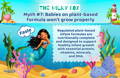
Verdict: False — for regulated infant formula.
This myth often gets tangled up with separate (and legitimate) concerns about whole vegan diets in children. Those are not the same thing, and the distinction is critical.
The European Society for Paediatric Gastroenterology, Hepatology and Nutrition (ESPGHAN) published a 2024 position paper noting that evidence on whole vegan diets in children is mixed, and that nutritional planning is essential to prevent deficiencies in B12, iron, vitamin D, calcium, and zinc.
But here is what gets lost in that conversation: vegan infant formula is not the same as a vegan diet. A regulated infant formula — whether dairy-based, goat-based, or plant-based — must by law deliver specific minimum and maximum levels of every essential nutrient: protein, fat, energy, iron, calcium, vitamin D, vitamin B12, zinc, iodine, and the full range of vitamins and minerals required for healthy growth.
Sprout Organic Infant Formula is validated against FSANZ infant formula standards. Every nutrient your baby needs is built into the formulation at clinically validated levels. Your baby will not be deficient in B12 because B12 is fortified into the formula. They will not be deficient in iron because iron is fortified. They will not be missing DHA because algal DHA is included.
The concerns about whole vegan diets apply when babies transition off formula and start eating solid foods — which is where careful nutritional planning becomes important. While your baby is on formula, the formula does the work.
For more on transitioning, see our vegan baby formula FAQ Part 3.
Myth #8: Plant-based formula is full of sugar and additives
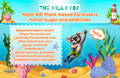
Verdict: False — and often it has fewer additives than dairy formulas.
This myth seems to come from confusion with plant-based "milks" sold for adults (almond milk, oat milk, etc.) — which are NOT infant formula and often do contain added sugars and stabilizers.
Regulated plant-based infant formula is held to the same ingredient standards as any other infant formula. Sprout Organic, for example, contains:
No refined sugars, no corn syrup, no corn syrup solids — the carbohydrate is organic rice starch
No artificial colors, flavors, or sweeteners
No palm oil
No GMOs
No artificial preservatives
Compare this to many US conventional soy formulas — including Enfamil ProSobee — which DO contain corn syrup solids as the primary carbohydrate. For a detailed comparison, read our Sprout Organic vs Enfamil ProSobee guide.
The "additives" in any infant formula — plant-based or not — are mostly vitamins, minerals, and DHA sources required by regulation to ensure nutritional completeness. These are not optional. Every formula contains them.
Myth #9: Plant-based formula isn't really regulated
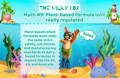
Verdict: False — it's regulated as strictly as any other infant formula.
In the US, EU, and Australia, anything legally sold as "infant formula" must meet specific regulatory requirements for nutritional composition, safety testing, manufacturing standards, and labeling. This applies whether the formula is made from cow milk, goat milk, soy, hydrolyzed rice, or pea+rice protein.
Sprout Organic is validated against FSANZ (Food Standards Australia New Zealand) infant formula standards — one of the strictest regulatory frameworks in the world.
Bébé M is classified as a Food for Special Medical Purposes (FSMP) under EU regulations.
Hydrolyzed rice and soy proteins for infant formula have been approved and in clinical use for decades.
Plant-based formulas that meet these standards are not novelty products. They are nutritionally complete, regulated, tested, and legally certified to be appropriate for infants from birth. For a deeper dive into why parents are choosing plant-based options, see our pillar piece on plant-based baby formula.
Myth #10: My pediatrician will be against it
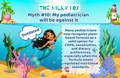
Verdict: Outdated — and often the opposite is true.
A decade ago, plant-based infant formula was a fringe option and pediatricians were often unfamiliar with it. That has changed significantly. The clinical evidence has matured, regulatory acceptance has grown, and many pediatricians now actively recommend plant-based formula for specific situations — particularly CMPA, soy sensitivity, and family dietary requirements.
That said, if you suspect your pediatrician is less familiar with current plant-based formula options, here is what helps the conversation:
Bring the ingredient panel and ask them to review it
Share TMB's 2026 Parent's Guide to Sprout Organic, which covers the full nutritional profile
Be clear about your reason — CMPA, allergy, lifestyle, etc. — so they can recommend the right type
Ask specifically about monitoring — weight gain, stool patterns, development markers
If your pediatrician strongly opposes plant-based formula without offering a specific medical reason for your baby's case, it is reasonable to ask follow-up questions or seek a second opinion. Your baby's pediatrician should partner with you, not dismiss your concerns.
What's Actually True About Plant-Based Formula
After clearing out the myths, here is the honest summary:
Regulated plant-based infant formula delivers complete nutrition — protein, fat, energy, vitamins, minerals, and DHA — at the levels infants need for healthy growth from birth.
It is not just for vegan families — CMPA, soy allergy, palm oil concerns, religious dietary requirements, and personal preference are all valid reasons to choose it.
Pea + rice protein combinations create a complete amino acid profile without needing hydrolysis or free amino acid supplementation.
Algal DHA is chemically identical to fish DHA and is increasingly used in non-vegan formulas too.
Strict regulatory limits exist for arsenic and other contaminants — and they are actively enforced.
Certified vegan is different from "plant-based" — look for the certification if animal-free status matters.
It works alongside breastfeeding, partial feeding, or full formula feeding — not an all-or-nothing choice.
If you are considering switching, the practical entry points on TMB:
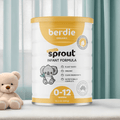
Sprout Organic Infant Formula (0–12 months) for general plant-based feeding from birth
Sprout Organic Toddler Drink (12+ months) for continued plant-based nutrition past one year
Sprout Essential Shakes (12+ months) for toddler nutritional supplementation
Bébé M for confirmed CMPA cases
Frequently Asked Questions
Are these myths recent, or have they been around for a long time?
My pediatrician told me to avoid plant-based formula. What should I do?
Ask them specifically why. There may be a valid medical reason for your baby's specific case — for example, confirmed severe CMPA might require an extensively hydrolyzed or amino acid formula rather than a standard plant-based one. But if the answer is general skepticism rather than a specific medical concern, it is reasonable to share the ingredient panel and ask for a more specific assessment. A second opinion from a pediatric dietitian is also worth considering.
Are there cases where plant-based formula is NOT appropriate?
Yes. Babies with confirmed severe CMPA, multiple food allergies, or those who have not responded to other dairy-free formulas may need a clinically classified hypoallergenic formula (extensively hydrolyzed or amino acid). Plant-based formula is also not appropriate for the rare cases of pea or rice protein allergy. Always discuss specific medical conditions with your pediatrician.
Is plant-based formula more expensive than dairy formula?
Generally, yes — but the gap is smaller than most parents expect, especially compared to specialty hypoallergenic or hydrolyzed options. The price reflects ingredient quality (organic certification, no palm oil, no corn syrup) and stricter sourcing standards. See our vegan formula FAQ Part 2 for more on cost.
Where can I buy Sprout Organic and other plant-based formulas in the US?
Through The Milky Box with all-inclusive US pricing — import duties, customs paperwork, and tracked shipping covered. See our shipping policy for delivery times.
Disclaimer:
Please be aware that this information is based on general trends in babies, and it is not medical advice. Your doctor should be your first source of information and advice when considering any changes to your child’s formula and when choosing your child’s formula. Always consult your pediatrician before making any decisions about your child’s diet or if you notice any changes in your child.
Breastfeeding is the best nutrition for your baby because breast milk provides your child with all the essential nutrients they need for growth and development. Please consult your pediatrician if your child requires supplemental feeding.

Suzanne Renee' is an accomplished professional with extensive expertise in the area of infant nutrition, dedicated to promoting the health and wellbeing of children. She started this journey as a foster parent. Suzanne has emerged as a strong proponent of the European baby formula and has become a full time writer of the subject. In her free time, she enjoys camping, hiking and going to church.
Read Next:

Written by Suzanne Renee',
Infant Nutrition Expert

Suzanne Renee' is an accomplished professional with extensive expertise in the area of infant nutrition, dedicated to promoting the health and wellbeing of children. She started this journey as a foster parent.
Suzanne has emerged as a strong proponent of the European baby formula and has become a full-time writer on the subject.
In her free time, she enjoys camping, hiking, and going to church.