


Sprout Organic vs Bébé M:
Vegan Baby Formula Comparison Guide 2026
By: Suzanne Renee' - March 13, 2026 - 15 Minute Read

Two of the most respected plant-based infant formulas in the world are available to US families through The Milky Box: Sprout Organicfrom Australia and Bébé M from France. Both are organic, dairy-free, soy-free, and built entirely on plant-based ingredients — but they take very different approaches to feeding your baby.
This guide compares Sprout Organic vs Bébé M side by side — covering protein sources, ingredients, digestion, certifications, staging, and US availability — so you can choose the right vegan baby formula for your family.
New to plant-based formula? Start with our guide to why parents choose plant-based baby formula for the full picture, or read our 2026 Parent's Guide to Sprout Organic for a deep dive into one of these formulas.
Table of Contents:
2. Sprout Organic vs Bébé M: The Basics
3. Protein: Intact Pea + Rice vs Hydrolyzed Rice
4. Carbohydrates, Oils, and Key Nutrients
5. Certifications and Regulatory Standards
7. Digestion, Reflux, and Sensitive Tummies
10. Which Formula Fits Your Family?
11. Frequently Asked Questions
Quick Summary

Sprout Organic is a certified vegan, organic infant formula from Australia using intact pea and rice proteins. It's designed as a general plant-based formula for families who want to avoid dairy and soy.
Bébé M is a certified organic, plant-based formula from France using hydrolyzed rice protein. It's classified as a Food for Special Medical Purposes (FSMP) in Europe, originally developed for babies with cow's milk protein allergy (CMPA) and reflux.
Both deliver complete infant nutrition from plant sources. The right choice depends on your baby's medical needs, your preferences, and your pediatrician's guidance.
Sprout Organic vs Bébé M: The Basics

Both formulas are dairy-free, soy-free, gluten-free, and palm oil-free. But they're built on fundamentally different protein technologies.
-
Origin: Australia
-
Protein: Organic pea + rice protein blend (intact)
-
Organic certified: Yes (Australian Certified Organic)
-
Vegan certified: Yes
-
Regulatory standard: FSANZ (Food Standards Australia New Zealand)
-
Primary use: General plant-based infant formula

Bébé M
-
Origin: France (La Mandorle)
-
Protein: Hydrolyzedrice protein (enzymatically broken down)
-
Organic certified: Yes (EU organic + AB France / ECOCERT)
-
Vegan: Yes (plant-sourced Vitamin D from lichen, algal DHA)
-
Regulatory standard: EU infant formula regulations (classified as FSMP)
-
Primary use: Allergy management / medical-grade plant-based formula
Explore both at The Milky Box:
Protein: Intact Pea + Rice vs Hydrolyzed Rice
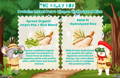
This is the single biggest difference between these two formulas, and it matters for digestion, taste, and who each formula is best suited for.
Sprout Organic: Intact Pea + Rice Blend
Sprout combines organic pea protein and organic rice protein in their whole (intact) form. The two proteins are complementary — pea protein is rich in lysine while rice protein provides methionine — and together they deliver a complete amino acid profile suitable for infants.
Intact proteins are closer to what you'd find in standard formulas. They haven't been broken down, which generally means a milder taste and smoother texture.
Bébé M Hydrolyzed Rice Protein:
Bébé M uses rice protein that has been enzymatically hydrolyzed — meaning the proteins are broken into much smaller peptides. This process makes the protein easier to digest and significantly reduces its allergenic potential. Because rice protein alone is low in certain amino acids (lysine and tryptophan), Bébé M supplements with free amino acids to ensure a complete profile.
Hydrolyzed protein formulas are the standard medical recommendation for babies with confirmed cow's milk protein allergy (CMPA). Multiple clinical studies have confirmed that extensively hydrolyzed rice protein formulas are well tolerated by over 90% of infants with proven CMPA.
Scientific reference: Hydrolyzed Rice Formula: An Appropriate Choice for the Treatment of Cow's Milk Allergy — Journal of Clinical Medicine (PubMed Central)
The takeaway: If your baby has diagnosed CMPA or a serious protein allergy, Bébé M's hydrolyzed approach may be more appropriate under medical guidance. If you're looking for a general plant-based formula without a specific allergy diagnosis, Sprout Organic's intact protein blend offers a simpler, milder-tasting option.
Carbohydrates, Oils, and Key Nutrients

Beyond protein, the formulas differ in how they source energy and essential fats
Carbohydrates
Sprout Organic uses organic rice starch as its primary carbohydrate — a clean, slow-digesting option that also contributes to a smooth formula texture.
Bébé M uses corn maltodextrin and corn starch as its carbohydrate base. Maltodextrin is a fast-digesting carbohydrate commonly used in specialty formulas
Neither formula uses lactose (both are lactose-free), and neither uses corn syrup solids — a common ingredient in US formulas that many parents prefer to avoid. For more on what to look for in formula ingredients, see our guide to what makes up a good baby formula.
Oil and Fats
Sprout Organic: Organic canola oil, organic coconut oil
Bébé M: Organic coconut oil, sweet almond oil, sunflower oil, rapeseed oil
Both formulas avoid palm oil entirely. Both include Algae DHA (omega-3 from microalgae, not fish oil) to support brain and eye development.
Vitamin D
Both formulas source Vitamin D from plants — Bébé M specifically uses Vitamin D extracted from Icelandic lichen, while Sprout Organic also uses a plant-derived source. This is a meaningful detail for strictly vegan families, since most mainstream formulas use Vitamin D3 from lanolin (sheep's wool).
Vitamins & Mineral
Both formulas include the full spectrum of vitamins and minerals required by their respective regulatory standards. Sprout Organic's nutrient profile is validated against theFSANZ infant formula standard. Bébé M complies with EU infant formula regulations and is manufactured under French food safety controls.
Certifications and Regulatory Standards

Both formulas carry strong organic credentials, but their regulatory classifications are different — and this matters.
Sprout Organic
-
Australian Certified Organic
-
Independently certified vegan
-
Regulated as an infant formula under FSANZ
-
Developed with input from pediatricians, dietitians, and food technologists
Bébé M
-
EU organic certified (ECOCERT) + AB France
-
100% plant-based (all ingredients plant-sourced)
-
Classified as a Food for Special Medical Purposes (FSMP) in Europe
-
Recognized by the French Society of Pediatrics (2019) and the Federation of Midwives of France
-
Awarded a Gold Innovation Trophy at launch (2013)
The FSMP classification is significant. In Europe, this means Bébé M is positioned as a medical-grade formula intended for babies whose dietary needs cannot be met by standard products — specifically babies with CMPA, lactose intolerance, or reflux. This doesn't mean it's "better" or "worse" — it means it was designed for a different primary use case.
Scientific reference: Hydrolyzed Rice Protein-Based Formulas, a Vegetal Alternative in Cow's Milk Allergy — Nutrients (PubMed Central)
For families exploring formula certifications and what they mean for ingredient quality, our best organic baby formula guide covers European organic standards in detail.
Stages and Age Ranges
The two brands structure their product lines differently.
Sprout Organic: 2 stages
Bébé M: 3 stages (Anti-Reflux line)
Bébé M's three-stage system offers more granular age targeting — particularly useful for babies whose nutritional needs shift significantly between 0–6 months and 6–10 months. Sprout's two-stage approach is simpler and may appeal to parents who prefer fewer transitions.
For guidance on what changes between formula stages and when to move up, see our toddler formula ultimate guide.
Digestion, Reflux, and Sensitive Tummies

This is where the two formulas diverge most clearly.
Bébé M: Built for severe sensitivities and reflux
Bébé M's entire product line (currently available on The Milky Box) is the Anti-Reflux range, thickened with organic carob gum and corn starch. This thicker consistency is designed to help formula stay down in babies who experience gastroesophageal reflux — a condition where feeds come back up frequently.
The hydrolyzed protein base also makes Bébé M easier to digest for babies with confirmed protein allergies, since the proteins are already partially broken down before they reach the baby's gut. Clinical research supports this: a 2014 study published in the European Journal of Pediatrics found that all 40 infants with confirmed CMPA tolerated an extensively hydrolyzed rice formula, with significant symptom improvement within the first month.
Scientific reference: Safety and Tolerance of Extensively Hydrolyzed Rice Protein Formula in CMPA — European Journal of Pediatrics (PubMed Central)
Sprout Organic: Gentle for general plant-based feeding:
Sprout Organic uses intact proteins and rice starch, which creates a gentler, smoother formula suitable for babies without diagnosed allergies who do well on a standard plant-based option. Many parents report positive digestive outcomes when switching from cow's milk or soy-based formulas to Sprout, particularly regarding gas and stool consistency.
However, Sprout is not formulated specifically for reflux and does not contain a thickening agent like carob gum. If your baby has significant reflux or medically confirmed CMPA, Bébé M may be the more targeted choice — always under your pediatrician's direction.
For more on managing digestive issues with formula, see our guides to formulas for sensitive tummies and baby formula and constipation.
Taste and Preparation

A practical difference that parents care about: how does it taste, and is it easy to prepare?
Taste
Hydrolyzed protein formulas — including Bébé M — are known for having a slightly bitter taste. This is a direct result of the protein hydrolysis process and is common across all hydrolyzed formulas, whether dairy-based or plant-based. Some babies accept it quickly; others need a gradual transition period.
Sprout Organic, using intact (non-hydrolyzed) proteins, has a milder, more neutral flavor. Parents who have tried both often describe Sprout as easier for babies to accept on first introduction.

Preparation
Bébé M has a specific preparation method: the manufacturer recommends adding the powder first, then a small amount of water to form a smooth paste before adding the remaining water. This helps prevent lumps, which are common with hydrolyzed rice protein powders.

Preparation
Sprout Organic follows a more conventional preparation: water first, then powder, then shake.
Both formulas require boiled and cooled water, sterilized bottles, and exact scoop-to-water ratios. For a complete preparation walkthrough, see our baby formula preparations guide.
Cost and US Availability

Both formulas are European imports available in the US through The Milky Box, which offers all-inclusive pricing with import duties covered for US customers.
Sprout Organic
-
Can size: 700g (25oz)
-
Currently: In stock at The Milky Box
Bébé M (Anti-Reflux line)
-
Can size: 600g
-
Currently: Check availabilityat The Milky Box (stock varies)
Pricing for both brands is higher than mass-market US formulas like Enfamil ProSobee — but you're paying for certified organic ingredients, plant-based sourcing, European regulatory standards, and the absence of corn syrup solids, palm oil, and synthetic additives. For a comparison of Sprout Organic against a mainstream US alternative, read our Sprout Organic vs Enfamil ProSobee guide.
US shipping through The Milky Box is fast and tracked. For details, visit the shipping policy page.
Which Formula Fits Your Family?

Here's a simple framework:
Choose Sprout Organic if:
-
You want a general plant-based, vegan, organic formula
-
Your baby does not have a diagnosed protein allergy or severe reflux
-
You prefer a milder-tasting formula with simpler preparation
-
You want a two-stage system (infant + toddler) with consistent availability
-
Your family follows a vegan lifestyle and wants certified vegan credentials
Choose Bébé M if:
-
Your baby has confirmed CMPA or a serious protein sensitivity (under medical guidance)
-
Your baby struggles with reflux and needs a thickened, anti-reflux formula
-
You want a hydrolyzed protein that's pre-broken-down for easier digestion
-
You prefer three-stage European formula with FSMP classification
-
Your pediatrician has recommended a hydrolyzed plant-based formula
Not sure where to start?
Or use the Baby Formula Comparison Chart to compare options across all brands.
Frequently Asked Questions
Are Sprout Organic and Bébé M both truly vegan?
Yes. Both formulas use entirely plant-based ingredients, including plant-sourced Vitamin D (not from lanolin) and algal DHA (not from fish oil). Sprout Organic carries independent vegan certification. Bébé M is formulated as 100% plant-based with no animal-derived ingredients
Can I use plant-based formula from birth?
Yes, provided the formula is labelled for use from birth (Stage 1 or 0–12 months). Sprout Organic Infant Formula is designed for babies from birth to 12 months. Bébé M Anti-Reflux Stage 1 covers 0–6 months.
My baby has CMPA — which formula is better?
For confirmed CMPA, Bébé M's hydrolyzed rice protein is specifically designed for allergy management and is clinically studied for this use. Sprout Organic is not hydrolyzed and is better suited for general plant-based feeding without a specific allergy diagnosis. Always work with your pediatrician for allergy-related formula decisions.
Why does Bébé M taste bitter?
Hydrolyzed proteins — in any formula, dairy or plant — have a characteristic bitter taste. This is a trade-off for improved digestibility and reduced allergenic potential. Many babies adapt quickly, especially when the formula is introduced gradually.
Can I switch between Sprout Organic and Bébé M?
Yes, but transition gradually over several days. The proteins are different (intact vs hydrolyzed), so your baby's gut needs time to adjust. Monitor digestion, comfort, and stool patterns, and keep your pediatrician informed. For more on switching, see our guide to changing formulas.
Does The Milky Box ship both formulas to the US?
Yes — The Milky Box ships both Sprout Organic and Bébé M to the US with fast, tracked delivery and all-inclusive pricing covering import duties.
Is hydrolyzed rice protein safe for infants?
Yes. Multiple peer-reviewed studies confirm that hydrolyzed rice protein formulas support normal growth and development in both healthy infants and those with CMPA. The French Society of Pediatrics recognizes hydrolyzed rice formulas as a valid alternative for allergy management. Read the research (PubMed Central)
Australian organic, complete plant-based nutrition
Disclaimer:
Please be aware that this information is based on general trends in babies, and it is not medical advice. Your doctor should be your first source of information and advice when considering any changes to your child’s formula and when choosing your child’s formula. Always consult your pediatrician before making any decisions about your child’s diet or if you notice any changes in your child.
Breastfeeding is the best nutrition for your baby because breast milk provides your child with all the essential nutrients they need for growth and development. Please consult your pediatrician if your child requires supplemental feeding.
Reviewed by Suzanne Renee',
Infant Nutrition Expert

Suzanne Renee' is an accomplished professional with extensive expertise in the area of infant nutrition, dedicated to promoting the health and wellbeing of children. She started this journey as a foster parent.
Suzanne has emerged as a strong proponent of the European baby formula and has become a full-time writer on the subject.
In her free time, she enjoys camping, hiking, and going to church.

