


Yes. Pea protein has been studied as an infant protein source since the early 2000s, with research confirming its high digestibility and amino acid quality. When combined with rice protein to form a complete profile, it meets the requirements set by infant formula regulators like FSANZ. There is little allergy reported to pea protein, making it a strong option for babies who cannot tolerate dairy or soy.
Rice Protein vs Pea Protein in Baby
Formula: What Parents Need to Know
By: Suzanne Renee' - March 27, 2026 - 15 Minute Read
If you're exploring plant-based baby formula, you've probably noticed that the protein source is where formulas differ most. Some use rice protein. Some use pea protein. Others combine both.
Understanding what each protein does — how it's processed, what amino acids it provides, and how your baby digests it — makes the difference between choosing a formula confidently and guessing. This guide breaks down rice protein and pea protein in baby formula, explains why they're often combined, and helps you figure out which approach is right for your family.
For a broader overview of why families are moving toward plant-based feeding in the first place, start with our guide to why parents are choosing plant-based baby formula in 2026.
Table of Contents:
2. Why Protein Source Matters in Baby Formula
3. Rice Protein in Baby Formula
4. Pea Protein in Baby Formula
5. Why Combining Pea and Rice Protein Works
6. Hydrolyzed vs Intact: Two Ways to Use Rice Protein
7. Taste, Texture, and Practical Feeding
8. Which Protein Approach Is Right for Your Baby?
Quick Summary
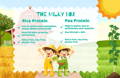
Rice protein and pea protein are the two main plant proteins used in dairy-free, soy-free baby formulas. Each has different strengths and limitations when it comes to amino acid completeness, digestion, taste, and allergy management.
Rice protein is commonly used in its hydrolyzed (pre-broken) form in formulas designed for babies with confirmed cow's milk protein allergy (CMPA). It requires added free amino acids to complete the nutritional profile because rice alone is low in lysine and tryptophan.
Pea protein is naturally rich in lysine and branched-chain amino acids, making it a strong complementary protein. It has a milder taste and is rarely associated with allergic reactions.
The combination of pea and rice protein — used in formulas like Sprout Organic — delivers a complete amino acid profile naturally, without relying on hydrolysis or supplemental free amino acids.
Why Protein Source Matters in Baby Formula
Protein is the most critical macronutrient in infant formula. It provides the building blocks — amino acids — that drive virtually every aspect of your baby's growth: muscle development, organ function, immune response, and brain development.
There are nine essential amino acids that the human body cannot produce on its own. Infants must get all nine from their formula (or breast milk) in the right proportions. When a single plant protein is used, it's common for one or more of these amino acids to be present at lower levels than what an infant needs. This is why the protein source — and how it's formulated — matters enormously.
For a deeper look at what makes a quality infant formula, see our guide to what makes up a good baby formula.
Rice Protein in Baby Formula
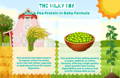
Rice protein has been used in infant formulas since the mid-2010s, primarily in Europe. It is almost always used in its hydrolyzed form — meaning the protein has been enzymatically broken into smaller peptides before it reaches your baby's bottle.
Strengths of rice protein:
Extensively studied for use in babies with confirmed CMPA. A review published in the Journal of Clinical Medicine concluded that hydrolyzed rice protein formulas are tolerated by over 90% of infants with a proven cow's milk allergy. Read the study (PubMed Central)
Classified as a Food for Special Medical Purposes (FSMP) in European formulas like Bébé M and Préminat, making it a medical-grade option for allergy management
Gluten-free and soy-free
Limitations of rice protein:
Rice protein alone is low in lysine and tryptophan — two essential amino acids that infants need in adequate amounts. Formulas using only rice protein must add free amino acids to fill this gap.
Hydrolyzed rice protein has a characteristically bitter taste due to the hydrolysis process. Some babies resist it initially.
The hydrolysis process itself is complex and contributes to the higher cost and limited availability of these formulas.
Formulas that use hydrolyzed rice protein include Bébé MandPrémibio's Préminat (formerly Prémiriz). Both are French, EU-certified organic, and designed specifically for babies with dairy protein allergies. For a detailed comparison, see our Sprout Organic vs Bébé M guide.
Scientific reference:Hydrolyzed Rice Protein-Based Formulas, a Vegetal Alternative in Cow's Milk Allergy — Nutrients (PubMed Central)
Pea Protein in Baby Formula
Pea protein (from yellow peas, Pisum sativum) is a newer entrant to the infant formula space but has a well-documented nutritional profile. Research published in Nutrients found that the protein digestibility-corrected amino acid score (PDCAAS) of pea protein isolate is 89% — close to soy isolate at 92% — making it one of the highest-quality plant protein sources available.
Strengths of pea protein:
High in lysine — the amino acid that rice protein lacks. This makes pea protein an excellent complement to rice protein in blended formulas.
Rich in branched-chain amino acids (BCAAs), arginine, and iron
Rarely associated with allergic reactions. Research indicates there is little allergy reported to pea protein, positioning it as a strong option for babies with CMA or soy sensitivities.
Mild, neutral taste that babies generally accept easily
A clinical trial published in The American Journal of Clinical Nutrition found that the digestible indispensable amino acid score (DIAAS) of pea protein isolate reached 1.00, demonstrating its ability to meet all amino acid requirements — comparable to casein (dairy protein). Read the study (PubMed)
Limitations of pea protein:
Pea protein is low in methionine and cysteine (sulfur-containing amino acids). On its own, pea protein does not provide a fully balanced amino acid profile for infants.
When used as the sole protein source, supplemental amino acids would still be needed.
Why Combining Pea and Rice Protein Works
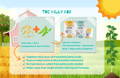
The concept is straightforward: pea protein is high in lysine but low in methionine. Rice protein is high in methionine but low in lysine. Combine them, and you get a complete amino acid profile — no hydrolysis needed, no supplemental free amino acids required.
This is the approach used by Sprout Organic, an Australian certified organic, certified vegan infant formula. Sprout uses a blend of organic fermented pea protein and organic fermented and sprouted rice protein. The fermentation and sprouting processes improve digestibility and nutrient bioavailability while keeping the proteins intact (non-hydrolyzed).
What this means practically:
The formula delivers all nine essential amino acids in appropriate proportions for infant growth, validated againstFSANZ (Food Standards Australia New Zealand) requirements.
Because the proteins are intact rather than hydrolyzed, the formula has a milder, more neutral taste — a significant advantage for daily feeding.
No added free amino acids needed, which simplifies the ingredient list.
Sprout Organic is available in two stages: Infant Formula (0–12 months) andToddler Drink (12+ months). For a comprehensive overview, read our 2026 Parents' Guide to Sprout Organic.
Hydrolyzed vs Intact: Two Ways to Use Rice Protein

It's worth understanding that rice protein appears in baby formula in two very different forms, and they serve different purposes.
Hydrolyzed rice protein — The protein is enzymatically broken into smaller peptides before being added to the formula. This reduces the allergenic potential of the protein and makes it easier for babies with confirmed protein allergies to tolerate. Hydrolyzed rice formulas like Bébé M are classified as medical-grade (FSMP) in Europe and are designed specifically for allergy management under pediatric guidance.
A 2014 study in the European Journal of Pediatrics found that all 40 infants with confirmed CMPA tolerated an extensively hydrolyzed rice formula, with symptoms improving significantly within the first month. Read the study (PubMed Central)
Intact (non-hydrolyzed) rice protein — The protein is used in its whole form, often fermented or sprouted to improve digestibility. When combined with pea protein (as in Sprout Organic), the intact blend provides complete nutrition for general plant-based feeding — suitable for babies without a diagnosed protein allergy.
The key distinction: hydrolyzed rice formulas are for allergy management. Intact pea + rice blends are for general plant-based feeding. Choosing between them depends on whether your baby has a confirmed allergy or you're simply looking for a dairy-free, soy-free alternative.
If your baby shows signs that their current formula doesn't agree with them, consult your pediatrician to determine whether a hydrolyzed formula is necessary or whether a gentler intact-protein formula may be sufficient.
Taste, Texture, and Practical Feeding
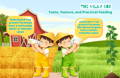
This is where many parents notice the biggest real-world difference between protein types.
Hydrolyzed rice protein formulas have a noticeably bitter or metallic taste. This is a direct consequence of the hydrolysis process — breaking proteins into smaller peptides releases bitter-tasting compounds. Some babies accept it readily, especially if introduced from birth. Others resist, which can make daily feeding stressful.
Intact pea + rice protein formulas like Sprout Organic have a milder, smoother taste. Parents switching from dairy-based or soy-based formulas frequently report that their baby accepts the flavor without issue. The rice starch carbohydrate base also contributes to a smooth, easy-to-mix texture.
If you're transitioning from one formula to another — regardless of protein type — a gradual switch over several days is recommended. See our guide to switching formulas for step-by-step advice, or our guide to managing digestive changes during transitions.
Which Protein Fits Your Family?
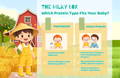
Choose a hydrolyzed rice protein formula if:
Your pediatrician has diagnosed your baby with confirmed cow's milk protein allergy (CMPA)
Your baby needs a medical-grade, FSMP-classified formula specifically designed for allergy management
Your baby has tried intact-protein formulas and reacted with digestive distress, rashes, or other allergy symptoms
Hydrolyzed rice options available through The Milky Box include Bébé M. For babies with reflux alongside allergy, see our Bébé M Anti-Reflux guide.
Choose a pea + rice protein blend formula if:
You want a dairy-free, soy-free, plant-based formula for general feeding (not allergy management)
Your baby does not have a diagnosed protein allergy requiring hydrolyzed formula
You prefer a milder-tasting formula with a simpler ingredient list
You want certified organic and certified vegan credentials
Your pediatrician has recommended a hydrolyzed plant-based formula

Sprout Organic is the leading option in this category — certified organic, certified vegan, palm oil-free, and available in the US through The Milky Box with fast, tracked shipping and all-inclusive pricing.
Not sure which direction to go? Start with the Baby Formula Comparison Chartto compare options across all brands, or explore our formulas for sensitive tummies collection for more specialized options. For more on choosing between dairy-free options, see our best dairy- and soy-free formulas guide.
Frequently Asked Questions
Is pea protein safe for babies?
Is hydrolyzed rice protein better than intact pea + rice protein?
Not inherently — they serve different purposes. Hydrolyzed rice protein is designed for confirmed allergy management. Intact pea + rice blends are designed for general plant-based feeding. If your baby doesn't have a diagnosed allergy, a hydrolyzed formula is unnecessary and may introduce taste challenges without clinical benefit.
Can I switch my baby from a hydrolyzed rice formula to Sprout Organic?
Possibly, but only with your pediatrician's guidance. If your baby was on a hydrolyzed formula for confirmed CMPA, switching to an intact-protein formula should be medically supervised. For parents whose babies were on hydrolyzed formula as a precaution rather than for a confirmed diagnosis, the transition may be straightforward. See our formula switching guide for practical advice.
Does Sprout Organic use hydrolyzed protein?
No. Sprout Organic uses intact (non-hydrolyzed) fermented pea protein and sprouted rice protein. The fermentation and sprouting improve digestibility without breaking the protein into peptides. This keeps the taste mild and the amino acid profile naturally complete.
What about soy protein — isn't that plant-based too?
Soy protein isolate is the most common plant protein in US baby formulas, but it comes with distinct drawbacks: soy is a common allergen, most US soy formulas use corn syrup solids as the carbohydrate source, and they typically lack organic or vegan certification. For a detailed comparison, read ourSprout Organic vs Enfamil ProSobee guide.
Where can I buy pea + rice protein baby formula in the US?
Sprout Organic is available through The Milky Box with fast US shipping, tracked delivery, and all-inclusive pricing that covers import duties. Browse the full Sprout Organic collection or compare across all brands with the Baby Formula Comparison Chart.
Australian organic, complete plant-based nutrition
Disclaimer:
Please be aware that this information is based on general trends in babies, and it is not medical advice. Your doctor should be your first source of information and advice when considering any changes to your child’s formula and when choosing your child’s formula. Always consult your pediatrician before making any decisions about your child’s diet or if you notice any changes in your child.
Breastfeeding is the best nutrition for your baby because breast milk provides your child with all the essential nutrients they need for growth and development. Please consult your pediatrician if your child requires supplemental feeding.
Read Next:
Reviewed by Suzanne Renee',
Infant Nutrition Expert

Suzanne Renee' is an accomplished professional with extensive expertise in the area of infant nutrition, dedicated to promoting the health and wellbeing of children. She started this journey as a foster parent.
Suzanne has emerged as a strong proponent of the European baby formula and has become a full-time writer on the subject.
In her free time, she enjoys camping, hiking, and going to church.