


Yes - any formula sold for infants must meet strict regulatory standards for energy, protein, fat, vitamins, and minerals. Certified plant-based formulas like Sprout Organic deliver complete infant nutrition from plant-based sources.
Why Parents Are Choosing Plant-Based Baby Formula in 2026
By: Suzanne Renee' - March 05, 2026 - 12 Minute Read

More parents than ever are looking beyond traditional cow's milk formula. Whether it's a baby who can't tolerate dairy, a family committed to plant-based living, or simply a desire for cleaner ingredients, the shift toward plant-based baby formula is accelerating — and it's not just a trend.
In 2026, plant-based infant nutrition has moved from niche to mainstream. Parents are asking better questions about what goes into their baby's bottle, and the answers are driving real change in how families feed.
This guide explores the key reasons parents choose plant-based formula, what to look for, and why Sprout Organic has become a go-to option for families shopping at The Milky Box.
If you want a deep dive into Sprout Organic specifically, start with our 2026 Parents' Guide to Sprout Organic.

Table of Contents:
1. What Is Plant-Based Baby Formula?
2. Allergies and Intolerances: The Medical Case
3. Digestive Comfort and Sensitive Tummies
4. Ethics, Environment, and Family Values
5. Cleaner Labels and Ingredient Transparency
6. The Soy Question: Why Many Parents Look Beyond Soy
7. What Does Plant-Based Formula Actually Contain?
8. Is Plant-Based Baby Formula Safe and Complete?
9. Sprout Organic: Why It Leads the Plant-Based Category
10. How to Choose and Introduce a Plant-Based Formula
11. FAQs: Plant-Based Baby Formula
What Is Plant-Based Baby Formula?
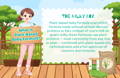
Plant-based baby formula is an infant formula made without animal-derived proteins or fats. Instead of cow's milk (or goat's milk), these formulas use plant proteins — most commonly from soy, rice, or peas — combined with plant-based oils, carbohydrates, and a full spectrum of vitamins and minerals.
The goal is the same as any infant formula: to provide complete nutrition that supports a baby's growth and development when breastfeeding is not possible or needs supplementing. Plant-based formulas must still meet the strict regulatory standards that apply to all infant formulas.
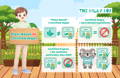
It's worth noting that "plant-based" and "vegan" are not always the same thing in the formula world. Some formulas marketed as plant-based still contain animal-derived vitamin D3 (from lanolin). A certified vegan formula, like Sprout Organic, goes further — using no animal-derived ingredients at all.
For a side-by-side look at formula types and what sets them apart, try the Baby Formula Comparison Chart.
Allergies and Intolerances: The Medical Case

The most common medical reason parents switch to plant-based formula is cow's milk protein allergy (CMPA). CMPA affects an estimated 2–3% of infants and can cause symptoms ranging from skin rashes and eczema to digestive distress like vomiting, diarrhea, and excessive gas. For these babies, a standard cow's milk formula simply doesn't work.
Lactose intolerance — while less common in newborns — is another driver. Babies who struggle to break down lactose may experience bloating, gas, and discomfort after feeds.
In both cases, plant-based formulas offer an alternative that removes the trigger entirely. Because they contain no cow's milk proteins and no lactose, they can provide relief for babies who have been struggling on standard formulas.
If your baby is showing signs of allergy or digestive trouble, The Milky Box carries a curated range of formulas for sensitive tummies, including dairy-free and hypoallergenic options. For a comprehensive breakdown, see our guide to the best dairy- and soy-free baby formulas.
Important: Always work with your pediatrician before switching formulas for allergy or medical reasons. A healthcare professional can help identify the specific trigger and recommend the best formula type for your baby.
Digestive Comfort and Sensitive Tummies

Even without a diagnosed allergy, many babies experience digestive discomfort from cow's milk formula. Gas, constipation, reflux, and general fussiness during or after feeds are among the most common complaints parents bring to their pediatrician.
Plant-based formulas can sometimes offer a gentler alternative. Plant proteins like rice and pea tend to form softer curds in the stomach compared to cow's milk proteins, which may support easier digestion for some babies. Formulas that use rice starch as the primary carbohydrate — instead of corn syrup solids or other processed sugars — can also contribute to smoother digestion.
Parents who have dealt with constipation issues may find our guide on the best baby formula for constipation helpful, as it covers how different formula bases affect gut motility and stool consistency.
If you're experiencing digestive changes after switching formulas, our article on diarrhea after switching formula outlines what's normal, what's concerning, and when to call your doctor.
Ethics, Environment, and Family Values
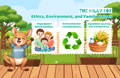
Not every parent choosing a plant-based formula is responding to a medical issue. A growing number of families are making the switch because it aligns with their values.
Vegan and Plant-forward Families want their baby's nutrition to reflect the same principles they apply to the rest of their diet. For parents who avoid animal products for ethical reasons — animal welfare, cruelty-free sourcing, reducing harm — a certified vegan formula is the natural choice.
Environmental considerations also play a role. Dairy production is resource-intensive, requiring significant water, land, and energy. Plant-based formulas that source proteins from peas or rice typically have a smaller environmental footprint compared to cow's milk-based products. For eco-conscious families, this matters.
Ingredient sourcing and transparency round out the picture. Many parents are drawn to plant-based formulas because they tend to emphasize organic certification, non-GMO ingredients, and clean labels. They want to know exactly what's in the tin — and what's not.
Sprout Organic addresses all three of these motivations. It carries both certified vegan and certified organic credentials, sources plant-based ingredients under strict organic standards, and avoids common allergens and controversial additives.
Cleaner Labels and Ingredient Transparency
One of the biggest drivers behind the plant-based formula movement has nothing to do with being vegan. It's about wanting a cleaner product.
Many US parents who research traditional formulas are surprised by what they find on ingredient labels: corn syrup solids as the primary carbohydrate, palm oil, synthetic additives, and ingredients that feel more industrial than nutritional. The European approach to baby formula — which generally prohibits processed sugars like corn syrup and enforces stricter organic standards — resonates strongly with these families.
Plant-based formulas from European-standard manufacturers tend to take the clean-label concept further. They often feature shorter ingredient lists, certified organic sourcing, and transparent carbohydrate sources like rice starch instead of corn-derived sugars.
For parents exploring this angle, our article on what makes up a good baby formula breaks down the key ingredients you should look for (and avoid) regardless of formula type. And our comprehensive best organic baby formula guide explains why European organic standards consistently outperform US equivalents.
The Soy Question: Why Many Parents Look Beyond

For years, soy-based formula was the only widely available "plant-based" option in the US. Brands like Enfamil ProSobee have dominated the dairy-free shelf at Walmart and Target, and for many families they've been an adequate solution.
But soy formula has its own set of concerns.
Soy is a common allergen. Research suggests that a meaningful percentage of babies with cow's milk protein allergy also react to soy. For families trying to avoid allergens, soy doesn't always solve the problem — it sometimes creates a new one.
Phytoestrogen content is a topic that comes up frequently. Soy contains isoflavones, which are plant compounds structurally similar to estrogen. While the American Academy of Pediatrics considers soy formula safe for full-term infants, many parents — especially those in the vegan community — remain cautious and prefer alternatives.
Soy formulas are generally not organic or certified vegan. Most mainstream soy formulas in the US use soy protein isolate alongside corn syrup solids and do not carry organic or vegan certification.
This is exactly why newer plant-based formulas built on pea and rice proteins have gained momentum. They offer a dairy-free, soy-free, often organic alternative that addresses the gaps soy formulas leave open.
For a detailed head-to-head comparison, read our Sprout Organic vs Enfamil ProSobee guide, which covers protein sources, certifications, nutrition, digestion, and US availability.
What Does Plant-Based Formula Actually Contain?
Understanding what's inside a plant-based formula helps parents feel confident about what they're feeding their baby. Here's the general structure, using Sprout Organic as a reference:
Plant proteins: Organic pea and rice proteins, combined to deliver a complete amino acid profile. The combination matters — pea protein is rich in lysine while rice protein provides methionine, and together they cover the essential amino acids infants need for healthy growth.
Carbohydrates: Organic rice starch serves as the primary carbohydrate source. Unlike corn syrup solids commonly found in US formulas, rice starch provides sustained energy and can contribute to a smoother, easier-to-digest formula.
Plant oils: Certified organic plant oils — such as canola and coconut — supply the fats infants need, including essential fatty acids that support brain and eye development. Sprout Organic also includes algal DHA, a plant-derived omega-3 important for cognitive development.
Vitamins and minerals: Every infant formula must include a precise blend of micronutrients. Sprout Organic's nutrient profile has been validated against the FSANZ (Food Standards Australia New Zealand) infant formula standard, ensuring it meets the requirements for complete infant nutrition.
For a closer look at Sprout Organic's full ingredient breakdown, visit our 2026 Parent's Guide to Sprout Organic, which covers each ingredient category in detail.
Is Plant-Based Baby Formula Safe and Complete?

This is the question that matters most — and the answer is straightforward.
Any infant formula legally sold for babies must meet strict nutritional and safety standards. These standards define minimum and maximum levels for energy, protein, essential fatty acids, vitamins, and minerals. They also cover manufacturing hygiene and quality controls. Plant-based formulas are held to the same standards as cow's milk formulas.
Sprout Organic, specifically, was developed with input from food technologists, paediatricians, and dietitians. Its composition has been validated against the FSANZ infant formula standard — one of the most rigorous regulatory frameworks in the world. That means it delivers the same nutritional completeness as any standard formula, just from plant-based sources.
The key point for parents: a certified, regulated plant-based formula is not a nutritional compromise. It's a different ingredient pathway to the same destination — complete infant nutrition.
That said, plant-based formula is not appropriate for every baby. Premature infants, babies with specific medical conditions, or those with complex nutritional needs may require specialized formulas. Always involve your pediatrician in formula decisions, especially if your baby has a medical history.
Sprout Organic: Why It Leads the Plant-Based Category
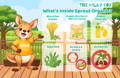
With more plant-based options appearing globally, parents want to know which formula actually delivers on its promises. Sprout Organic has earned its position as a leading plant-based infant formula for several reasons:
Certified vegan and certified organic. Unlike soy-based formulas that are neither, Sprout Organic carries independent certifications for both — giving parents verified assurance about ingredient sourcing and ethics.
Dairy-free and soy-free. Sprout Organic avoids the two most common formula allergens entirely, making it suitable for a wider range of babies with sensitivities.
Algal DHA included. Brain-supporting omega-3 from a plant source — not fish oil — is built into the formula.
Expert-reviewed formulation. Developed with input from paediatricians, dietitians, and food scientists, and validated against FSANZ standards.
Available in the US through The Milky Box. Fast, tracked shipping with all-inclusive pricing that covers import duties for US customers.
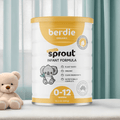
Sprout Organic is available for two age stages:
Browse the full Sprout Organic collection at The Milky Box.
For parents considering the transition from a conventional formula to Sprout, our toddler formula guide covers what to look for when choosing a follow-on formula after 12 months.
How to Choose and Introduce a Plant-Based Formula

Switching to any new formula — plant-based or otherwise — should be done carefully and ideally with your pediatrician's support. Here's what to keep in mind:
Check the age range. Make sure the formula is appropriate for your baby's age. Infant formulas (0–12 months) and toddler drinks (12+ months) are formulated differently, and using the wrong stage can mean your baby isn't getting the right nutrient balance.
Look for certifications. Certified organic and certified vegan logos on the packaging provide third-party verification that the formula meets specific standards. Not all "plant-based" labels carry the same weight.
Review the ingredient list. Understand the protein source (soy, rice, pea, or a blend), the carbohydrate base (lactose-free options include rice starch or maltodextrin), and the oil sources. Avoid formulas that rely heavily on corn syrup solids or contain additives you're uncomfortable with.
Transition gradually. Most pediatricians recommend introducing a new formula slowly — mixing it with the previous formula over several days — to give your baby's digestive system time to adjust. Watch for any signs of intolerance such as increased gas, changes in stool, or skin reactions.
Follow preparation instructions exactly. Correct water-to-powder ratios, sterilized bottles, and proper storage are critical for formula safety. Our baby formula preparations guide covers everything from water temperature to storage timelines.
Keep your pediatrician informed. Especially if your baby has allergies, reflux, or any other medical history, your doctor should be part of the formula decision.
If you're transitioning from breastfeeding to formula for the first time, our best formula for breastfed babies guide offers practical advice on making that shift as smooth as possible.
FAQs: Organic Vegan Baby Formula & Sprout Organic
Is plant-based baby formula nutritionally complete?
Can I use plant-based formula from birth?
Yes, provided the formula is labelled for use from birth (Stage 1 or 0–12 months). Sprout Organic Infant Formula is designed for babies from birth to 12 months.
Is plant-based formula better for babies with allergies?
Plant-based formulas that are dairy-free and soy-free — like Sprout Organic — remove the two most common formula allergens. This can be beneficial for babies with CMPA or soy sensitivity, but always confirm with your pediatrician.
What's the difference between soy formula and vegan formula?
Soy formula uses soy protein isolate and is usually not certified vegan or organic. A certified vegan formula like Sprout Organic uses alternative plant proteins (pea and rice), carries vegan certification, and typically avoids soy entirely.
Read the full comparison in our Sprout Organic vs Enfamil ProSobee guide.
Does Sprout Organic ship to the US?
Yes — The Milky Box ships Sprout Organic to the US with fast, tracked delivery and all-inclusive pricing that covers import duties.
Is homemade vegan baby formula safe?
No. Homemade formula of any kind — vegan or otherwise — is extremely dangerous. There is a risk of bacterial contamination, incorrect nutrient levels, and serious harm to your baby. Always use a commercially produced, regulated infant formula.
How do I switch my baby to a plant-based formula?
Transition gradually over several days by mixing the new formula with the old one, gradually increasing the ratio. Monitor your baby's digestion, comfort, and stool patterns. If you notice any concerning changes, consult your pediatrician. Read more in our guide to switching formulas.
Ready to Explore Plant-Based Formula?
If you're considering plant-based infant nutrition for your family, The Milky Box makes it easy to compare options and find what works for your baby.
Start here:
Australian organic, complete plant-based nutrition
Disclaimer:
Please be aware that this information is based on general trends in babies, and it is not medical advice. Your doctor should be your first source of information and advice when considering any changes to your child’s formula and when choosing your child’s formula. Always consult your pediatrician before making any decisions about your child’s diet or if you notice any changes in your child.
Breastfeeding is the best nutrition for your baby because breast milk provides your child with all the essential nutrients they need for growth and development. Please consult your pediatrician if your child requires supplemental feeding.
Read Next:

Reviewed by Suzanne Renee',
Infant Nutrition Expert

Suzanne Renee' is an accomplished professional with extensive expertise in the area of infant nutrition, dedicated to promoting the health and wellbeing of children. She started this journey as a foster parent.
Suzanne has emerged as a strong proponent of the European baby formula and has become a full-time writer on the subject.
In her free time, she enjoys camping, hiking, and going to church.