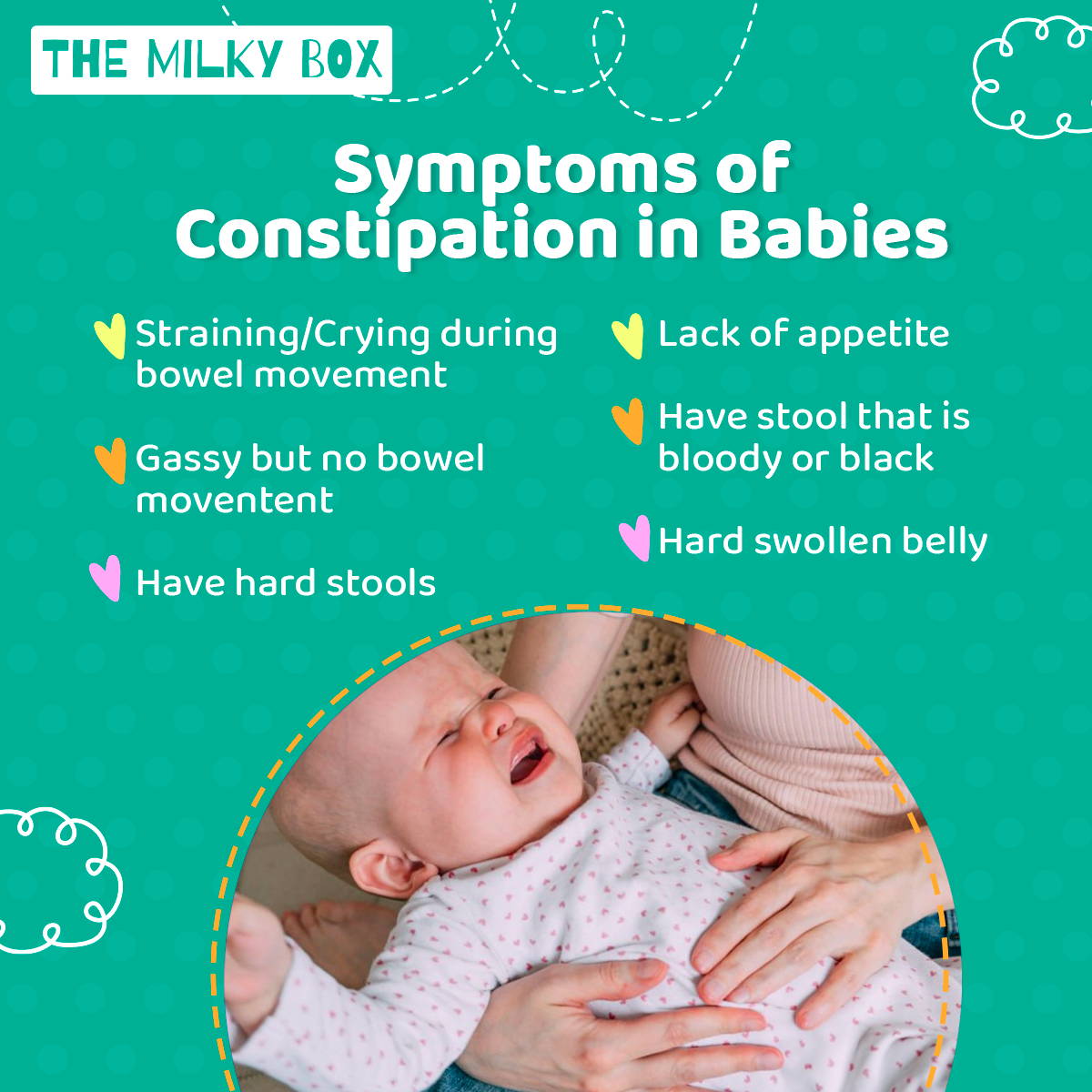
Common Issues Leading to Constipation in Formula-Fed Babies
Babies sometimes have a slow digestive system because baby formula is nutrient-dense to target growth and development specifically. Your little one’s system works to absorb all the protein, vitamins, and minerals, which leaves little to digest.
There are additional causes of constipation in formula-fed babies involving changes in diet, allergies, and individual digestive worries that are unique to your infant.
Change from Breastmilk
It is common for your baby to become constipated when switching to infant formula from breast milk due to the challenges of a bigger protein.
When preparing baby formula, always use the amount of powder recommended on the packaging. Using too much powder can throw off nutrients, cause dehydration, or cause constipation.
Cow's Milk Allergies
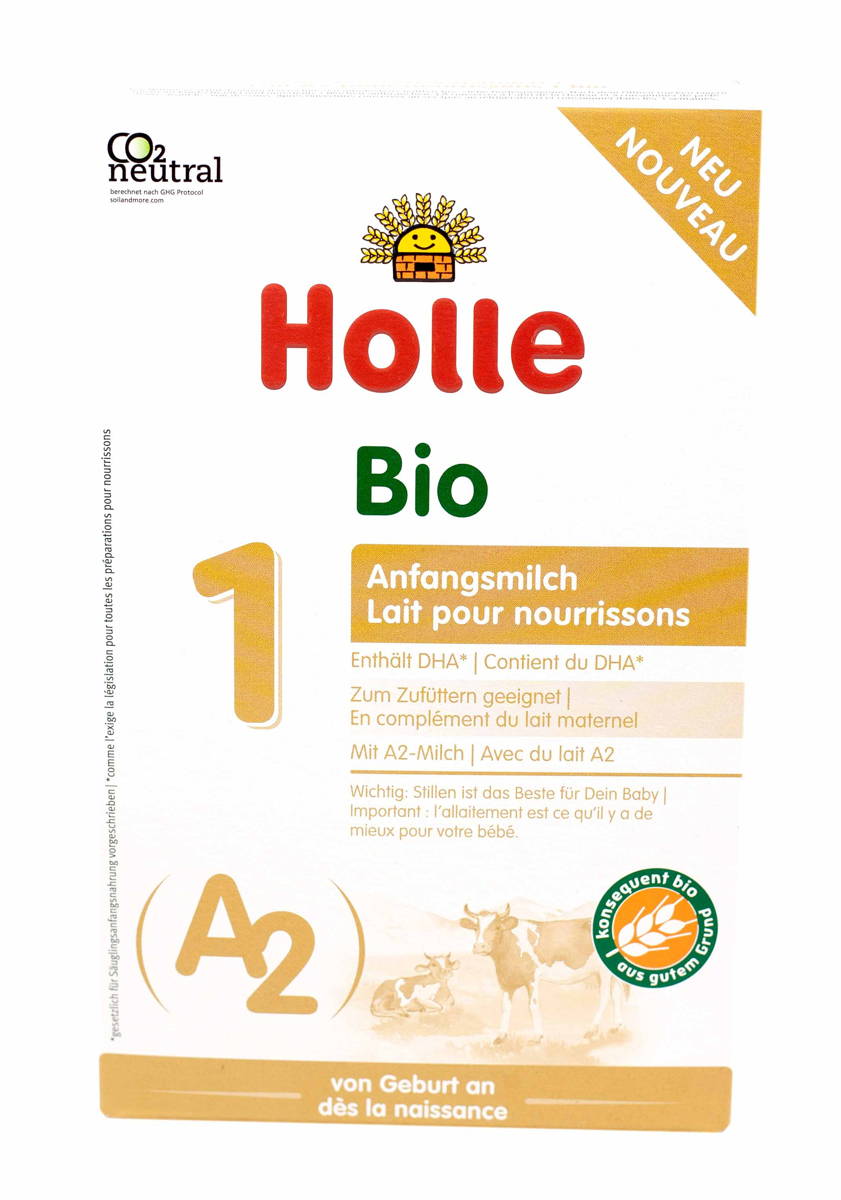
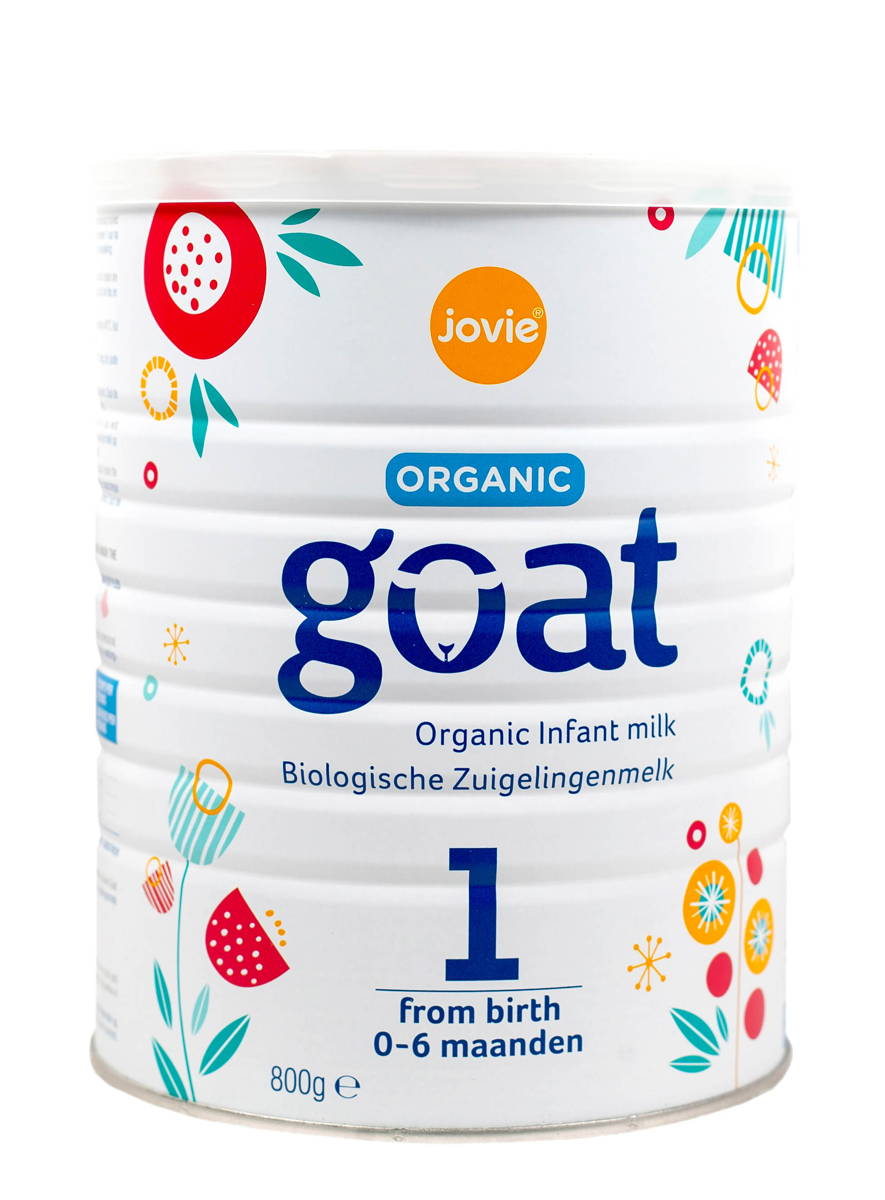
Cows' milk allergy or intolerance can cause a wide range of symptoms, including skin reactions and digestive worries; stomachache, vomiting, colic, diarrhea, or constipation are all possible symptoms that may need a second look.
We suggest speaking directly to your qualified practitioner regarding cow’s milk allergy or intolerance for specialized care.
Dehydration
There are several reasons your baby may not get enough fluids. Dehydration can happen when infants are teething, sick (such as a cold, a sore throat, or an ear infection), or, if they are older, not drinking enough fluids with their food.
Proper fluids are needed to ease digestive functions and ensure overall health.
Lack of Fiber
In older babies, constipation can be caused by simply introducing solid nutrition or not getting enough fiber from organic fruits, vegetables, and porridges in the newly formed diet.