What to Know About Switching Baby Formula
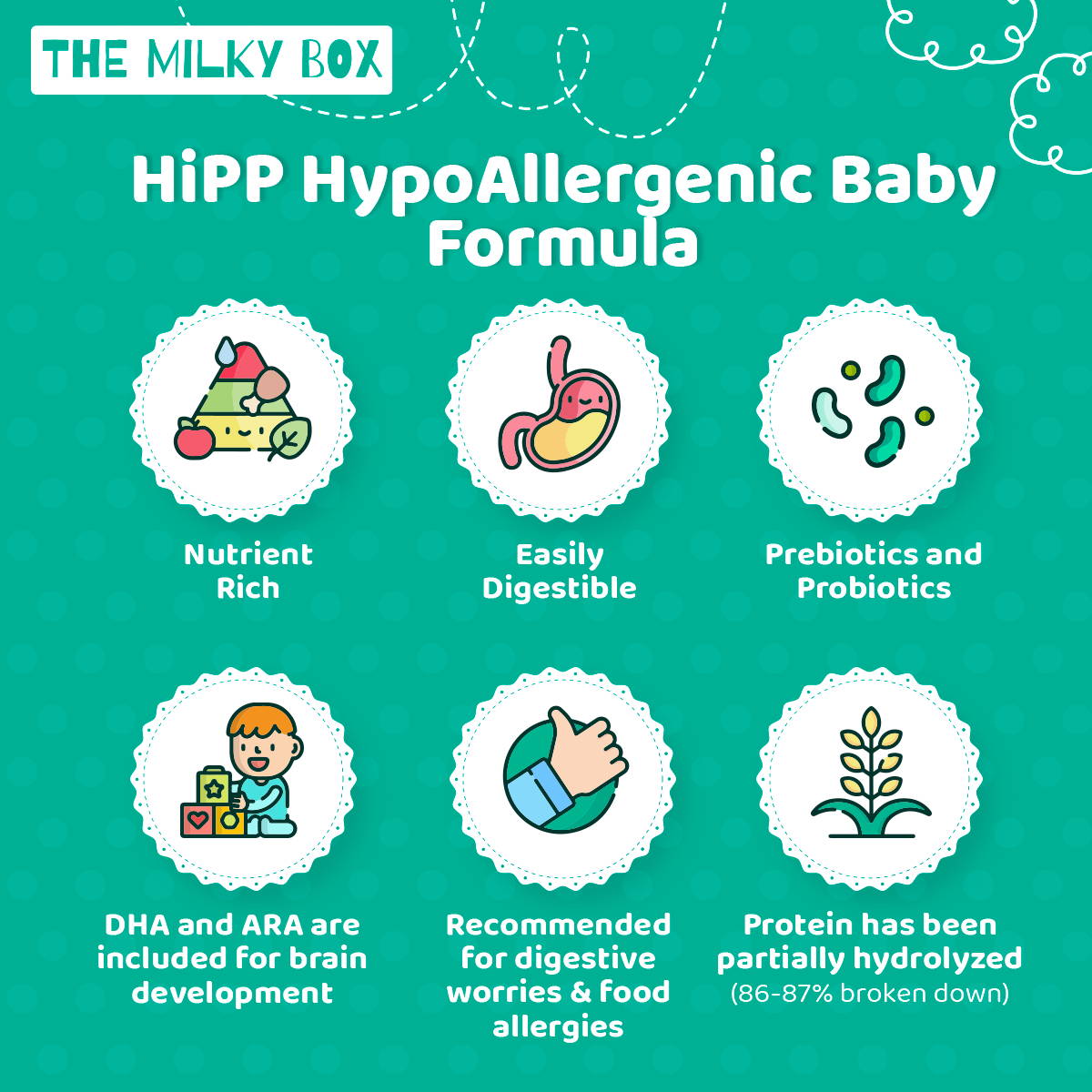
If you are switching formulas for medical reasons, to a hypoallergenic formula due to an allergy for instance, your qualified provider will advise you to discontinue the offending baby formula and switch with the next bottle.
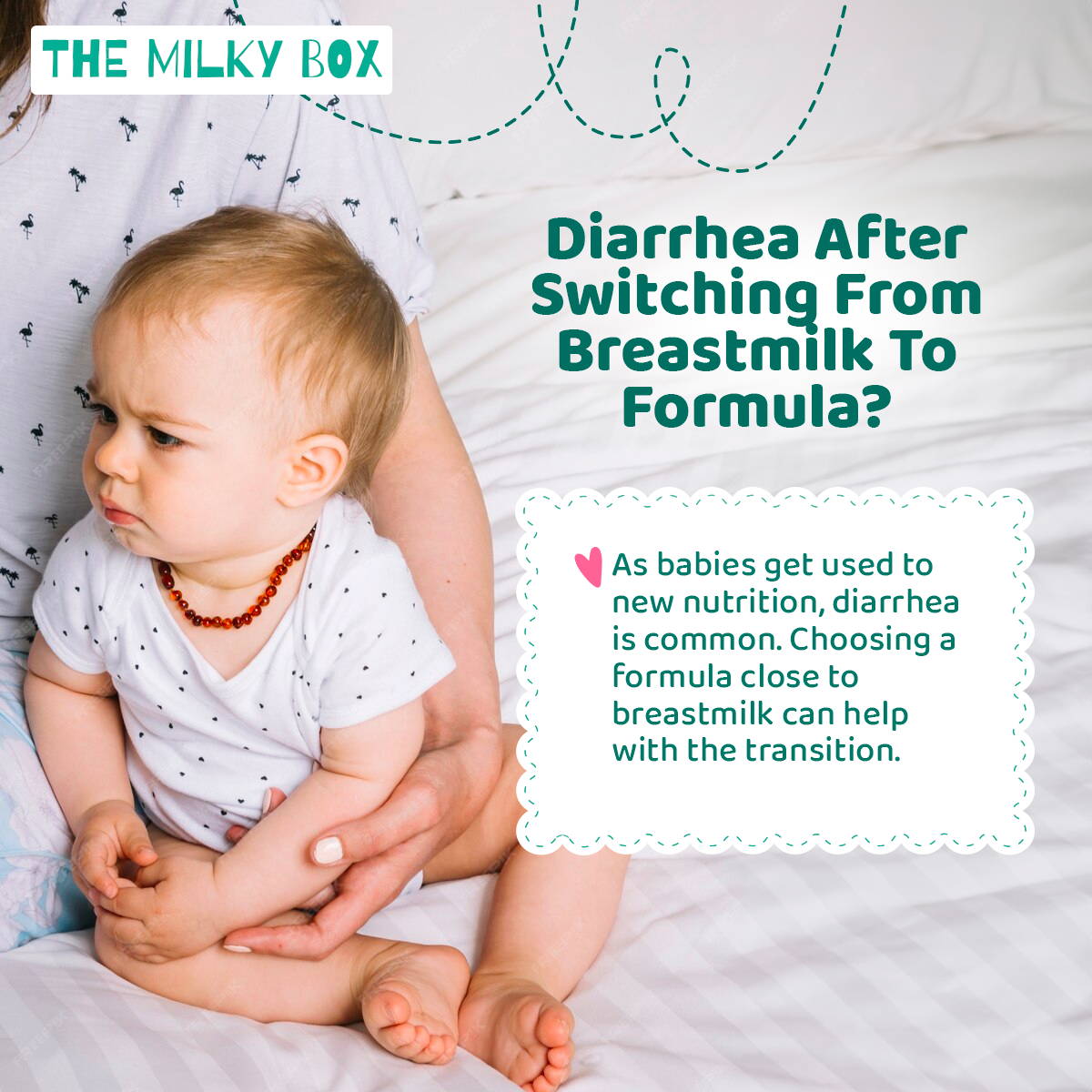
However, if you are changing for other reasons, such as formula shortages or a small number of digestive worries, you can take a slower approach to help make the transition a little easier.
Gradual Transition
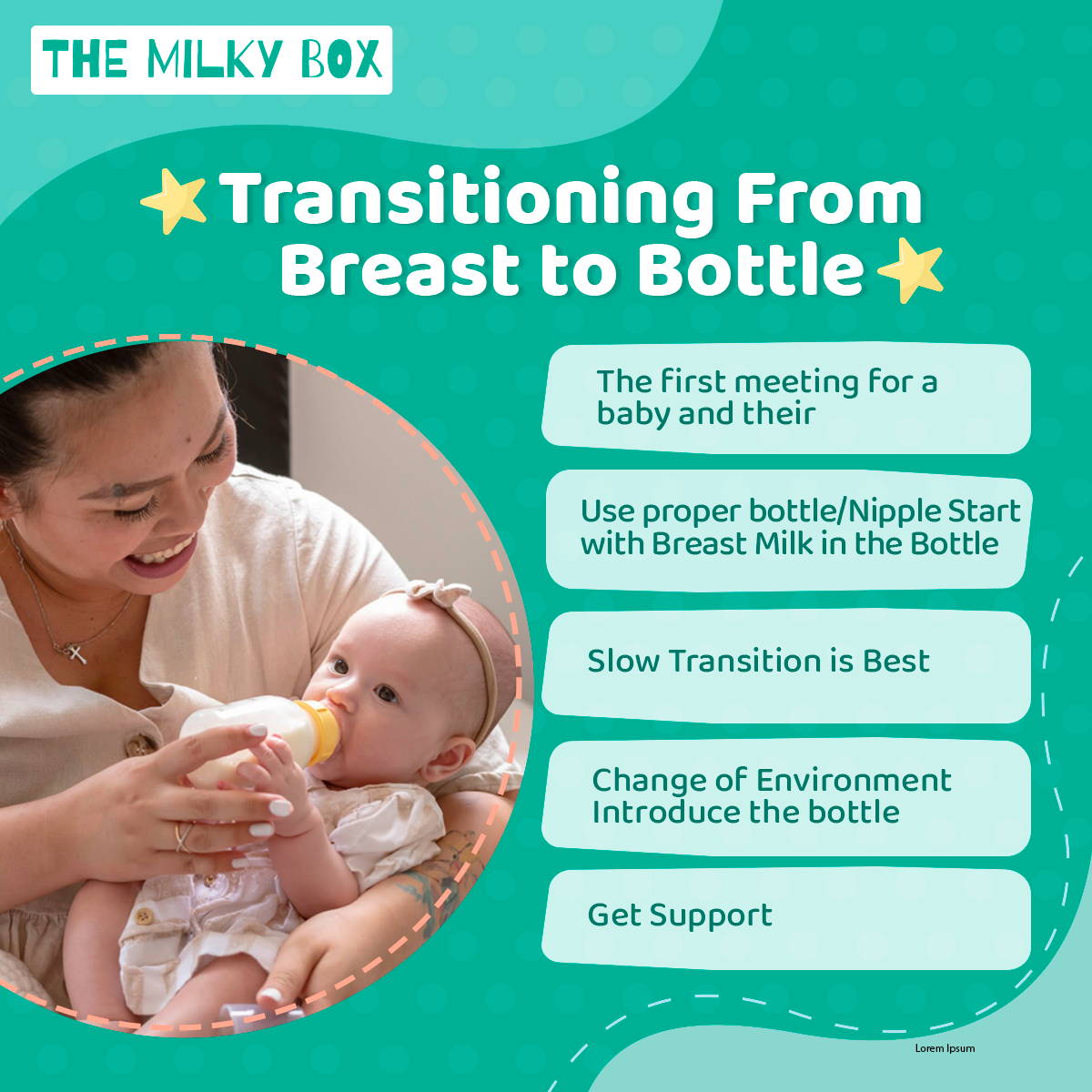
Finding the perfect taste and texture is not always easy. If your infant does not seem to like the new choice of formula right away, we suggest starting slowly.
First, a combination of three parts old baby formula to one part new baby formula; when your baby accepts that, move to half-and-half. Then, gradually increase the ratio of the new formula until you no longer add the old brand.
Consult Your Baby’s Pediatrician
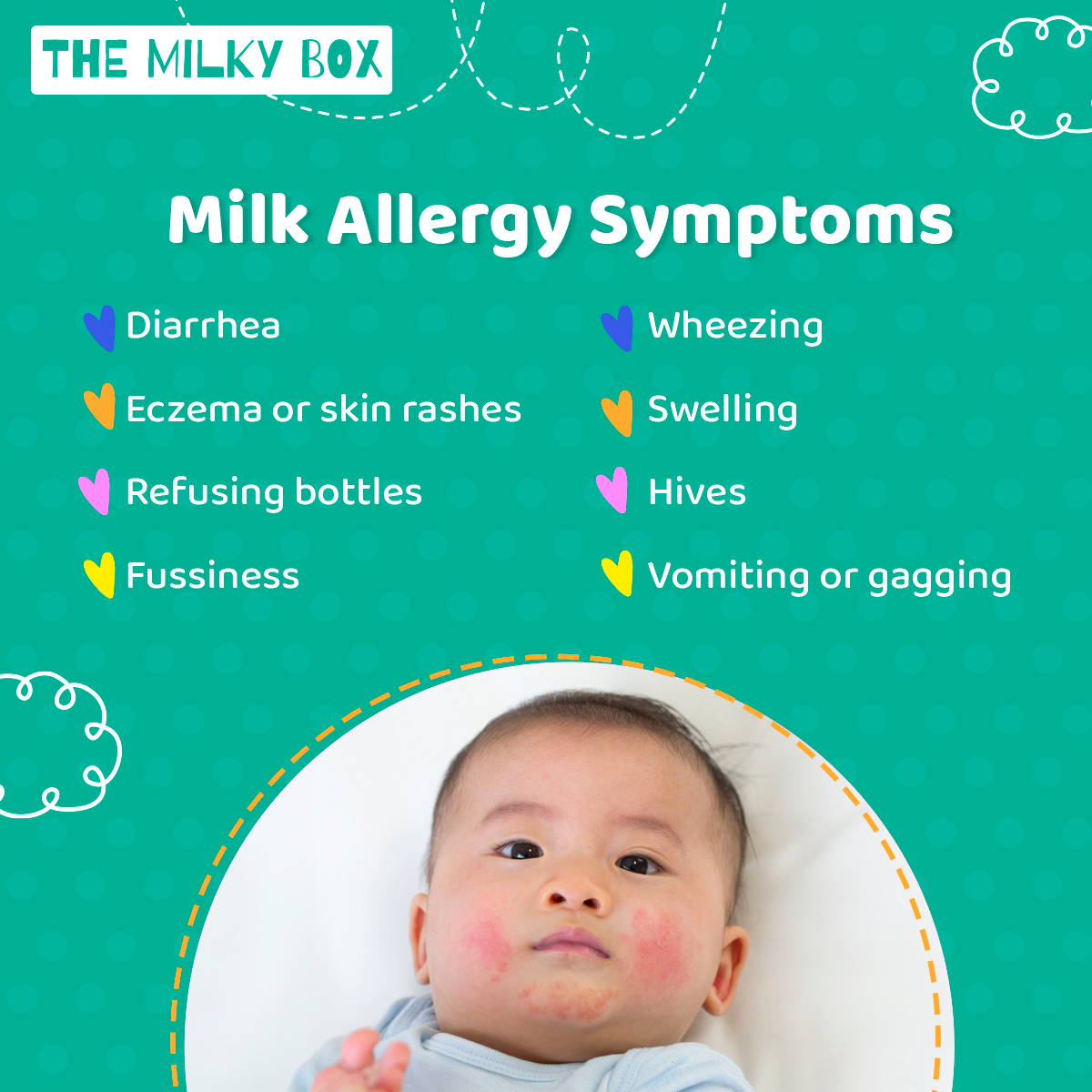
Families consider switching formulas mainly due to digestive worries or allergic reactions. It is easy to confuse normal infant behavior for allergies or intolerances. To ensure your baby finds the perfect baby formula, we suggest consulting your child’s qualified practitioner before making any dietary changes, so you can be sure you move to the right baby formula.
Consider Each Formula’s Protein Type
When switching, there are four main protein types to consider. Talking with your pediatrician will help you find the right fit for your baby.
Milk-Based
This standard formula contains intact cow or goat milk proteins, casein, and whey. Cow milk proteins are larger than human milk proteins (breast milk) and can be difficult for some babies to digest. Goat milk has small proteins that can be easier for babies to absorb, but as with all lactose-based formulas, not all babies can tolerate them, especially if there is a milk protein allergy.