


Yes — one serving per day is the typicaldaily use case. Some active toddlers or picky eaters may benefit from up to twoservings per day, but more than that risks displacing solid food intake, whichis not the goal. The shakes are designed to complement a varied diet, notbecome the main course.
Sprout Essential Shakes: A Parent's Guide to Toddler Nutrition Beyond Formula
By: Suzanne Renee' - May 07, 2026 - 15 Minute Read
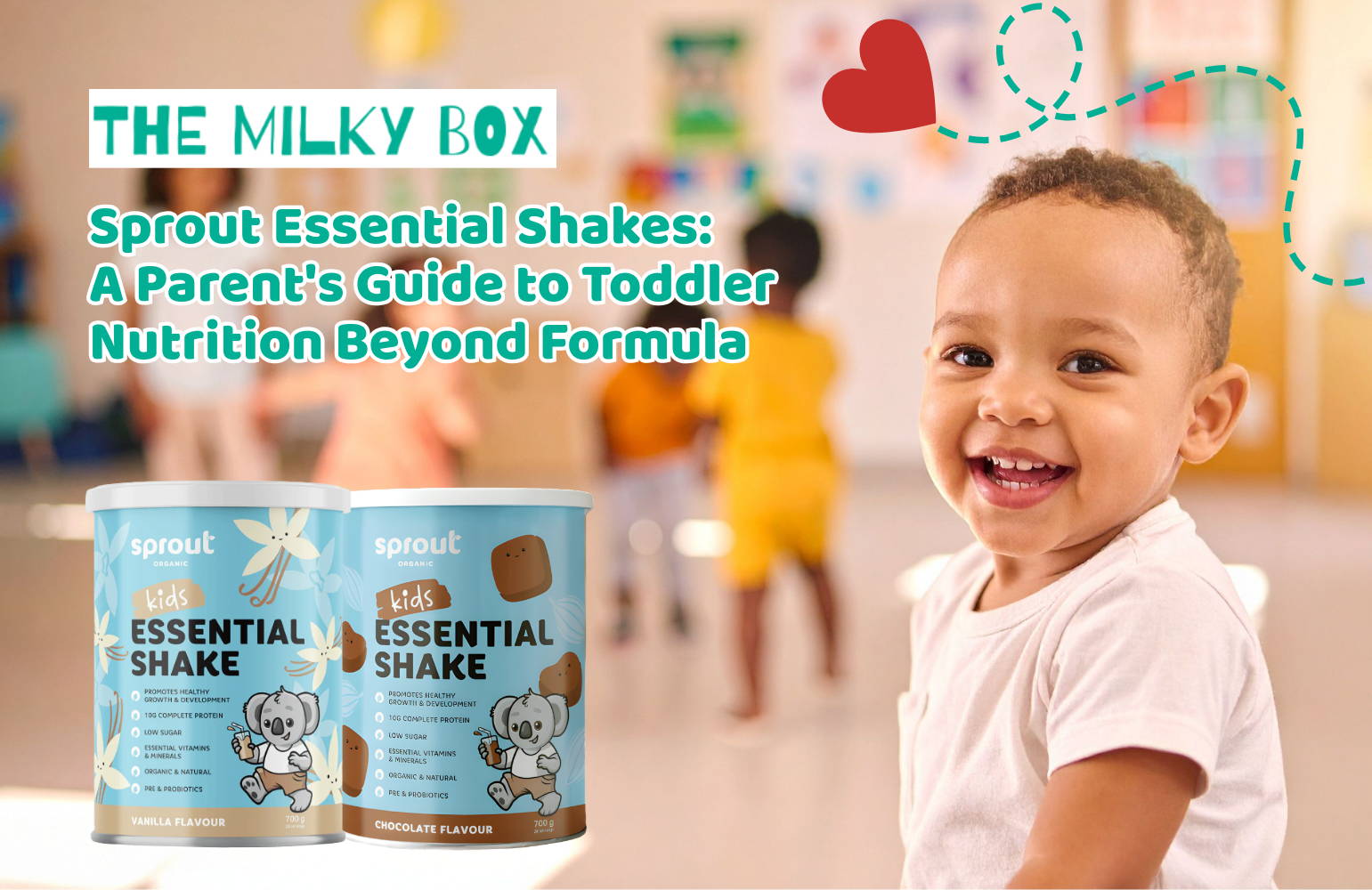
Your toddler turned one. They are eating solids, walking around like they own the place, and refusing half of what you put on the table because today they only eat plain pasta. Sound familiar?
This is the stage when most parents start asking the same question: how do I make sure they are getting what they need when their actual food intake looks like a magic trick — present one minute, gone the next?
Sprout Essential Shakes are designed exactly for this stage. They are not infant formula. They are not toddler formula. They are a plant-based nutrition supplement built to fill the gaps in a real toddler's diet — the days when broccoli is the enemy, the protein refusal phases, the picky weeks that turn into picky months.
This guide covers everything: what the shakes actually contain, how they differ from Sprout Toddler Drink, when (and when not) to use them, how they compare to other toddler nutrition shakes on the market, and how to introduce them to your child without it becoming another battle.

What Are Sprout Essential Shakes?
Sprout Essential Shakes are plant-based nutrition supplements designed for children aged 12 months and older. Each serve delivers 10g of complete plant protein from a blend of organic fermented pea protein and organic brown rice protein, alongside 28+ essential vitamins and minerals, plant-based DHA, probiotics, and prebiotics.
The shakes are certified organic by Australian Certified Organic (Cert. No. SXC 25155), certified vegan, carbon neutral, and halal certified. They are free from dairy, soy, lactose, gluten, refined sugars, corn syrup, palm oil, and artificial colors, flavors, or sweeteners.
Each 700g can contains roughly 25 servings. One serving is 25g of powder mixed with 200ml of water (or plant-based milk if you want a creamier texture).
The key thing to understand: these are supplements, not meal replacements and not infant formula. They are designed to bridge nutritional gaps in a toddler's diet — fill in the protein, iron, vitamin D, and B12 your child might be missing on a picky-eating day. They are not designed to replace breakfast, lunch, or dinner.
Vanilla vs Chocolate: What's the Difference?

The two flavors share most of the same nutritional foundation but have a few meaningful differences worth knowing about.
Sprout Essential Shake — Vanilla contains a 52% plant protein blend (organic fermented pea protein and organic brown rice protein), organic rice starch, organic coconut MCT oil powder, organic inulin (a prebiotic fiber), Sprout's mineral and vitamin blends, organic guar gum and sunflower lecithin for texture, organic steviol glycosides for natural sweetness, algal DHA, and a Lactobacillus acidophilus probiotic. Naturally flavored.
Sprout Essential Shake — Chocolate follows the same blueprint but with two key additions: 6% organic cocoa powder for the chocolate flavor, and the protein content sits at 46% (slightly lower than vanilla because the cocoa takes up some of the volume). Both deliver the same 10g of complete plant protein per serve.
Practically speaking:
Choose vanilla if you want a more neutral taste that mixes well into smoothies, oatmeal, or homemade popsicles
Choose chocolate if your child prefers a richer flavor or you want a healthier alternative to chocolate milk
Both work straight up with water or plant milk
Both are nutritionally near-identical for the purposes of filling dietary gaps
Essential Shakes vs Sprout Toddler Drink

This is the most common point of confusion for parents already in the Sprout ecosystem. Both products are designed for toddlers 12+ months. Both are plant-based, certified organic, and certified vegan. So which one do you need?
Sprout Organic Toddler Drink (12+ months) is a follow-on toddler formula. It is designed as a continued primary nutrition source for children transitioning out of infant formula, particularly when solid food intake is still developing. It is meant to be a major part of your child's daily nutrition — closer to "milk" in role.
Sprout Essential Shakes are designed as a daily supplement to a varied solid food diet. They fill nutritional gaps for toddlers who are eating solids as their primary food source but may be missing protein, iron, vitamin D, B12, or DHA on inconsistent eating days.
A simple way to think about it: if your toddler is still relying heavily on bottled drinks for nutrition (4–6 servings per day), Toddler Drink is the more appropriate product. If your toddler is mostly eating solid food and you want a once-daily nutritional safety net, Essential Shakes are the right fit.
For a deeper look at the full Sprout product range and how they fit together, read our 2026 Parent's Guide to Sprout Organic.
When to Use Essential Shakes

Essential Shakes are most useful in these scenarios:
Picky eating phases. Toddlers go through stages where they refuse entire food groups — sometimes for weeks at a time. A daily shake provides a baseline of protein, iron, calcium, vitamin D, and B12, so you can stop stressing about whether one bad eating day means nutritional deficiency.
Transitioning out of toddler formula. Some families step down gradually from toddler drink to a regular varied diet. Essential Shakes can fill the nutritional gap during this transition.
Plant-based and vegan families. For toddlers being raised plant-based, ensuring adequate iron, B12, vitamin D, and DHA can require more deliberate planning. A daily shake covers these specific nutrients in one serve.
On-the-go nutrition. Travel days, daycare drop-offs, busy mornings — situations where preparing a balanced meal is not realistic. The shake takes 30 seconds to prepare and provides a real nutritional contribution.
Toddlers with mild dairy or soy sensitivities. Most conventional toddler shakes are dairy-based or contain soy. Essential Shakes are free from both, making them an option for kids with mild sensitivities. (Note: not appropriate for diagnosed allergies — see below.)
Athletic or highly active toddlers. Some toddlers burn through calories faster than they eat. Essential Shakes provide a quick, nutritious calorie and protein boost.
When Not to Use Essential Shakes
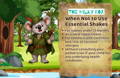
Essential Shakes are not appropriate in these situations:
For babies under 12 months. The shakes are formulated for toddlers and older children. They do not meet the nutritional requirements of infant formula and should never be used as a substitute for breast milk or Sprout Organic Infant Formula. For under-12-month nutrition, see our vegan baby formula FAQ Part 1.
As a meal replacement. This is the biggest misuse to avoid. The shakes do not contain enough calories, healthy fats, or food variety to substitute for a meal. Replacing meals with shakes can lead to under-nutrition over time.
For toddlers with confirmed pea, rice, or coconut allergies. Essential Shakes are made in a facility that also processes dairy and soy, so any cross-contamination concerns should be discussed with your pediatrician. The shakes themselves contain pea, rice, and coconut MCT oil — children with allergies to any of these ingredients should not consume the product.
Without consulting your pediatrician if your child has any underlying health conditions. This includes diagnosed allergies, metabolic disorders, kidney issues, or any condition affecting protein or nutrient metabolism.
When in doubt, talk to your pediatrician. The shakes are a supplement, not a treatment — they are not appropriate for managing diagnosed nutritional deficiencies on their own
How to Prepare and Serve

Preparation is straightforward — much simpler than infant formula:
Pour 200ml of cold, safe drinking water into a clean shaker, blender, or cup. (For a creamier texture, you can use your child's preferred plant-based milk instead.)
Add one level scoop of Essential Shake powder (25g, using the provided scoop).
If shaking: Secure the lid tightly and shake vigorously for 15–20 seconds until fully dissolved.
If blending: Blend on medium speed for 10–15 seconds until smooth.
Serve immediately. Do not let prepared shake sit at room temperature for more than 2 hours.
Creative serving ideas:
Mix vanilla shake into morning oatmeal for a protein-fortified breakfast
Blend with frozen banana, peanut butter, and ice for a smoothie
Use chocolate shake instead of regular milk in homemade popsicles
Add to homemade muffins or pancakes (note: heat can degrade some heat-sensitive vitamins, so this is best as an occasional treat rather than a daily nutrition strategy)
For more on toddler nutrition transitions and feeding patterns, our toddler formula guide covers what to expect across the 12–36 month range.
How Sprout Essential Shakes Compare

The toddler nutrition shake market is crowded. Here is how Sprout stacks up against the major alternatives:
vs. PediaSure (and similar dairy-based shakes): PediaSure is dairy-based, contains added sugars (often corn syrup or sucrose), and uses synthetic additives. Sprout is dairy-free, uses no refined sugars or corn syrup, and is certified organic and vegan. Protein content is similar (around 7–10g per serve), but the ingredient quality differs significantly.
vs. Orgain Kids Protein Shake: Orgain Kids is plant-based with 8g of organic pea protein, 22 vitamins and minerals, and is grass-fed (when applicable to the protein source). However, Orgain Kids contains added sugar and is not certified vegan in all formulations. Sprout offers slightly more protein (10g vs 8g), no refined sugars, and certified vegan + carbon neutral status.
vs. Else Nutrition Plant-Based Toddler Drink: Else is a plant-based toddler drink based on almond, tapioca, and buckwheat. It is not a protein shake but rather a follow-on toddler beverage. Different category — more directly comparable to Sprout Toddler Drink than to Essential Shakes.
vs. KinderSprout (no relation): Despite the similar name, KinderSprout is a different US-based brand offering a doctor-formulated plant-based protein shake with 8g of protein and 28 vitamins/minerals. It is USDA Organic. The protein source and certifications differ — Sprout Australia is certified vegan and carbon neutral, while KinderSprout focuses on US-market positioning.
The bottom line: most plant-based toddler shakes are reasonable products. Sprout differentiates with certified organic + certified vegan + carbon neutral status, no refined sugars, 10g protein per serve, and added algal DHA — a combination most competitors do not match.
Introducing the Shake to a Picky Eater

If your toddler is fussy about new flavors or textures, here is a gradual approach:
Day 1–2: Mix half a scoop with 100ml of water or plant milk. Smaller portion, less commitment if they reject it.
Day 3–4: If accepted, move to a full scoop with 200ml. If rejected, try mixing into a smoothie with a familiar fruit (banana, strawberry, or whatever they normally accept).
Day 5+: Try the shake straight up if they have accepted it in smoothie form, or continue using it as a smoothie ingredient if that works better for your family.
If your toddler refuses outright: Try the chocolate flavor instead of vanilla, or use the powder as an ingredient in foods they already eat (oatmeal, pancakes, muffins). Some kids accept the nutrition more easily when it is part of food rather than presented as a drink.
Do not force it. If your toddler genuinely dislikes the taste, that is okay. The shakes are a tool, not a requirement. There are other ways to fill nutritional gaps — food variety, age-appropriate vitamins (with pediatrician guidance), and patience as picky phases pass.
Storage and Shelf Life
Unopened cans: Store in a cool, dry place and use before the expiration date printed on the can. Jovie expiration dates follow the European format: DD/MM/YYYY.
Opened cans: Close the lid tightly and store in a cool, dry place. Use the contents within 4 weeks of opening.
Prepared formula: Use within 2 hours at room temperature. If refrigerated (at approximately 4°C), use within 24 hours. Do not reheat. Discard any shake left in the cup or bottle after a serving.
Frequently Asked Questions
Can my toddler have Essential Shakesevery day?
Are Essential Shakes safe for childrenwith allergies?
Each shake contains pea protein, brownrice protein, coconut MCT oil, and is manufactured in a facility that alsoprocesses dairy and soy. Children with confirmed allergies to any of theseingredients should not consume the product. If your child has any allergyhistory, consult your pediatrician before introducing the shake.
Do Essential Shakes contain caffeine?
No. The chocolate flavor contains 6% organic cocoa powder, which has trace caffeine (similar to a small amount of milk chocolate), but it is not a meaningful source of caffeine. The vanilla flavor is caffeine-free.
Can I mix Essential Shake with SproutToddler Drink?
There is no nutritional reason to mixthem. Use one or the other based on your child's nutritional needs and stage.If you are transitioning between products, our vegan baby formula FAQ Part 3 coverstransitions between Sprout products in more detail.
Are the shakes available in the US?
Yes, both flavors ship to US addressesthrough The Milky Boxwith import duties, customs paperwork, and trackedshipping are all covered in final shipping calculation cost. See ourshippingpolicy for delivery times.
My toddler has been drinking dairy milk. Can I switch them to the Essential Shake instead?
Essential Shakes are not designed as aone-to-one replacement for daily milk consumption. If your toddler is consuming2–3 cups of dairy milk daily as a primary source of calcium and fat, and youwant to switch to a plant-based alternative, Sprout Toddler Drink is the more appropriateproduct because it is formulated as a milk-equivalent. Essential Shakes arebetter suited as a supplemental nutrition boost on top of whatever your child'sprimary milk source is.
Disclaimer:
Please be aware that this information is based on general trends in babies, and it is not medical advice. Your doctor should be your first source of information and advice when considering any changes to your child’s formula and when choosing your child’s formula. Always consult your pediatrician before making any decisions about your child’s diet or if you notice any changes in your child.
Breastfeeding is the best nutrition for your baby because breast milk provides your child with all the essential nutrients they need for growth and development. Please consult your pediatrician if your child requires supplemental feeding.

Suzanne Renee' is an accomplished professional with extensive expertise in the area of infant nutrition, dedicated to promoting the health and wellbeing of children. She started this journey as a foster parent. Suzanne has emerged as a strong proponent of the European baby formula and has become a full time writer of the subject. In her free time, she enjoys camping, hiking and going to church.
Read Next:

Reviewed by Dr. Eric Wood, ND, MA

Dr. Wood is a licensed naturopathic doctor, with a doctorate degree from the Canadian College of Naturopathic Medicine in Toronto, Canada. He received his post-graduation certification in Mind Body Medicine at Harvard University.
With 15 years of experience, Dr. Wood is an Associate Professor of Holistic Nutrition at the American College of Health Sciences in Portland, Oregon. Dr. Wood is an educator, clinician, author, media figure, consultant, and owns his own holistic (naturopathic) medical practice in Ft. Lauderdale, Florida. Dr. Wood is currently researching and drafting books on cancer and pediatrics.
Outside of the medical profession, Dr. Wood loves singing with the Miami Lyric Opera and is an avid musician in South Florida. He also loves spending time with his wife and kids.