How Long Can Baby Formula Sit Out? Updated Guide for 2026


By: Suzanne Renee' - August 04, 2026 - 15 Minute Read

How Long Can Baby Formula Sit Out? Updated Guide for 2026 | The Milky Box

Caring for a baby and formula feeding can be time-consuming. Babies require frequent feedings, and their small stomachs can hold only a limited amount of formula. Although it may be tempting to prepare a large batch and store it for several days, prepared formula must be handled within strict time and temperature limits.


The key limits are easy to remember: use prepared formula within two hours of preparation, use it within one hour after feeding begins, and use formula refrigerated immediately within 24 hours—unless the product label gives a shorter limit. The FDA advises discarding any formula remaining after feeding, because the baby’s saliva can allow bacteria to grow.


This updated article explains why these limits matter, how hot weather and travel affect bottle safety, and how the brand-specific directions for Jovie Organic and Sprout Organic compare with general CDC and FDA guidance.


The Secret Formula Clock  in the Magic Kitchen | The  Milky Box

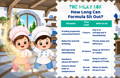
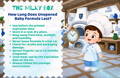
After Preparation, How Long Can Baby Formula Sit Out at Room Temperature?

After Preparation, How Long Can Baby Formula Sit Out at Room Temperature? | The Milky Box


If you plan to switch from breastfeeding to infant formula, it is important to understand that formula and breast milk follow different storage guidelines.


According to the Centers for Disease Control and Prevention (CDC), prepared powdered formula should be used within two hours of preparation when feeding has not started. If you are not planning to use the bottle immediately, place it in the refrigerator straight away and use it within 24 hours, unless the formula manufacturer provides a shorter storage limit.


Once your baby begins drinking, the bottle should be used within one hour from the start of feeding. After that, discard any remaining formula because saliva can enter the bottle and encourage bacterial growth. The FDA also advises parents never to refrigerate and reuse formula left after a feeding.


Important hot-weather note: The one-hour limit above 90°F/32°C comes from the USDA’s general guidance for perishable food. It is a conservative precaution for prepared formula—not a separate CDC infant-formula rule. Always follow the formula label and use the shortest applicable time limit.


Quick Answer:

An untouched prepared bottle may generally remain at room temperature for up to two hours. Once feeding begins, use it within one hour and discard any leftovers. Formula that is refrigerated immediately may be stored for up to 24 hours under CDC and FDA guidance, unless the manufacturer specifies a shorter limit.


Hot Weather and Summer Outings
Never leave formula in direct sunlight or inside a parked car. For outdoor temperatures above 90°F/32°C, using one hour as a conservative limit for perishable food is sensible. However, the formula manufacturer’s instructions and the CDC’s one-hour limit from the start of feeding still take priority | The Milky Box


Heat makes temperature control more difficult. Never leave formula in direct sunlight or inside a parked car. For outdoor temperatures above 90°F/32°C, using one hour as a conservative limit for perishable food is sensible. However, the formula manufacturer’s instructions and the CDC’s one-hour limit from the start of feeding still take priority.


The safest options are to transport prepared bottles in an insulated cooler with plenty of frozen ice packs or carry measured formula powder and safe water separately and mix a fresh bottle immediately before feeding. The CDC also recommends considering sterile ready-to-feed formula when travelling, particularly when safe water, refrigeration or hygienic preparation facilities may not be reliably available.


When in Doubt, Toss Unused Formula After 1 Hour at Room Temperature

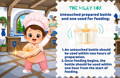
When in Doubt, Toss Unused Formula After 1 Hour at Room Temperature | The Milky Box

Current CDC infant-formula guidance distinguishes between an untouched prepared bottle and one used for feeding:

  • An untouched bottle should be used within two hours of preparation.

  • Once feeding begins, the bottle should be used within one hour from the start of feeding

The FDA provides the same two-hour storage guidance and advises immediately refrigerating formula that will not be used right away. A manufacturer may provide a shorter time limit, so always check and follow the instructions printed on the formula label.


If you cannot remember when the bottle was prepared, whether it remained properly refrigerated or when feeding began, discard it. The CDC specifically advises throwing formula away when its storage time is uncertain. Do not rely on appearance, smell or taste to determine whether it is safe, because harmful bacteria cannot necessarily be seen, smelled or tasted.


The safest rule is simple: when in doubt, throw it out.

European Baby Formula: Room Temperature Recommendations

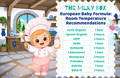
European Baby Formula: Room Temperature Recommendations | The Milky Box


European formula manufacturers provide product-specific preparation and storage directions. These instructions can be more conservative than the general CDC limit. Parents should therefore use whichever safe limit is shorter: the manufacturer's label or the applicable public-health guidance.


Room-temperature limits vary by formula brand. Jovie Organic should be used within one hour of preparation, while Sprout Organic follows the general two-hour limit for an untouched bottle. Always follow the product label when it provides a shorter limit and discard leftovers after feeding.

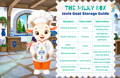
Jovie Goat Storage Guide

Jovie Goat Storage Guide | The Milky Box


Jovie’s instructions are more conservative than the CDC’s general limits. The brand recommends preparing a fresh bottle no more than one hour before feeding. Bottles prepared in advance must be refrigerated immediately at no more than 40°F/4°C and used within approximately eight hours.


Important: Store prepared Jovie bottles individually—not in a large pitcher—at the back of the refrigerator, where the temperature remains most consistent. Never refrigerate unfinished formula after your baby has drunk from the bottle.


Explore: Shop Jovie Organic Baby Formula at The Milky Box | Read Jovie’s Official Preparation and Storage Guidance.

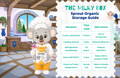
Sprout Organic Storage Guide

Sprout Organic Storage Guide | The Milky Box


Sprout Organic Infant Formula is a plant-based option. Sprout's current guidance says prepared formula may be refrigerated for up to 24 hours when mixed safely and chilled promptly. Any formula remaining more than one hour after feeding begins should be discarded. Opened powder should be tightly closed, stored in a cool, dry place and used within four weeks. Always follow the preparation directions printed on the specific package.


Explore: Sprout Organic Formula at The Milky Box | Official Sprout Organic FAQ


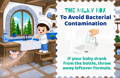
If Your Baby Drank from the Bottle, Throw Away Leftover Formula

If Your Baby Drank from the Bottle, Throw Away Leftover Formula | The Milky Box


After feeding your baby, dispose of any formula remaining in the bottle. Saliva can enter through the nipple and introduce bacteria, which may multiply in the nutrient-rich liquid. The CDC advises never refrigerating or saving leftover formula, because refrigeration does not make a partially consumed bottle safe for another feeding.


Use the bottle within one hour from the start of feeding, then discard the remaining formula. After every feeding, follow the CDC’s guidance for cleaning, sanitizing and air-drying bottles, nipples, rings and caps.


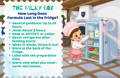
How Long Does Prepared Formula Last in the Fridge?

How Long Does Prepared Formula Last in the Fridge? | The Milky Box


Powdered formula may be prepared in advance if it is refrigerated immediately and feeding has not started. The CDC and FDA recommend keeping it at 40°F/4°C or colder and using it within 24 hours.


Brand instructions may be shorter. Jovie recommends refrigerating prepared bottles immediately and using them within about eight hours. Sprout Organic allows properly prepared formula to be refrigerated for up to 24 hours. Always follow the product label, and never refrigerate a bottle after your baby has drunk from it.

  • Store bottles at the back of the refrigerator, not in the door. 

  • Label each bottle with the preparation time. 

  • Do not freeze prepared formula, as it may separate and lose quality. 

  • Warm only what is needed, and never use a microwave because it can create dangerous hot spots.

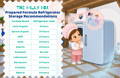
Prepared Formula Refrigerator Storage Recommendations

Prepared Formula Refrigerator Storage Recommendations | The Milky Box


Important: This table applies only to untouched bottles that were refrigerated immediately after preparation. Jovie recommends using prepared refrigerated bottles within approximately eight hours, while Sprout Organic allows up to 24 hours. The CDC’s general limit is 24 hours, but always use a shorter manufacturer limit when provided. Never refrigerate a bottle after feeding has begun.

How Long Does Unopened Baby Formula Last?

How Long Does Unopened Baby Formula Last? | The Milky Box


Store unopened infant formula in a cool, dry place away from direct sunlight, humidity and heat. Never keep formula tins inside a hot car. The FDA recommends following the storage instructions printed on the package and never using formula after its use-by date.


Check the package before use and avoid containers that are dented, swollen, rusted, leaking or otherwise damaged. The CDC also recommends checking the expiration date, recall status and condition of the container.


Do not assume that every unopened tin has the same shelf life. The printed use-by date and storage directions on the individual package are the authoritative guide. Sprout Organic reports an unopened shelf life of up to 24 months, but parents should still follow the date printed on the package they receive.


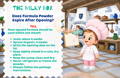
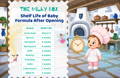
Does Baby Formula Powder Expire After Opening?

Shelf Life of Baby Formula after Opening? | The Milky Box


Yes. Once opened, powdered formula must be used sooner than the use-by date printed on the unopened package. FDA guidance says powdered formula typically needs to be used within one month, although the product label may specify a different period.


Jovie advises using opened powder within about four weeks, and Sprout Organic recommends using it within four weeks. Write the opening date on the lid, close the container tightly after every use, keep the scoop clean and completely dry, and store the powder in a cool, dry place—not in the refrigerator or freezer. Always follow the directions printed on the specific package.


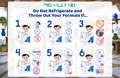
Do Not Refrigerate and Throw Out Your Formula If...

Do Not Refrigerate and Throw Out Your Formula If... | The Milky Box


When bottle-feeding your baby, discard the formula instead of refrigerating it when:

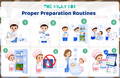
What You Should Know About Formula Safety

What You Should Know About Formula Safety | The Milky Box


Infant formula is carefully regulated, but powdered formula is not sterile. Careful preparation and storage help reduce the risk of contamination, including infection from Cronobacter and other germs.

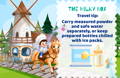
Travel tip: For outings, carry measured powder in a clean, dry container and safe water separately, or transport prepared bottles in an insulated cooler with frozen ice packs. Mix immediately before feeding whenever practical.


Travel tip: For outings, carry measured powder in a clean, dry container and safe water separately, or transport prepared bottles in an insulated cooler with frozen ice packs. Mix immediately before feeding whenever practical.


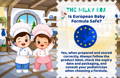
Is European Baby Formula Safe?

Is European Baby Formula Safe? | The Milky Box


Preparing infant formula may initially feel overwhelming because there are several timing, hygiene and temperature rules. With a consistent routine, these steps become easier. European formulas should always be prepared according to the exact instructions on their packaging, including the correct scoop, water amount, preparation temperature and age stage. The FDA also recommends following the preparation and storage directions printed on the product label.


Jovie Organic and Sprout Organic illustrate why label-specific instructions matter: both use the familiar one-hour rule after feeding begins, but their refrigerated-storage directions differ. Jovie currently specifies about eight hours for bottles refrigerated immediately, while Sprout Organic allows up to 24 hours. Choosing a product should be based on your baby’s age and individual needs in consultation with a pediatrician—not on storage convenience alone.


The Milky Box offers European and international formula options delivered to families in the United States. Check the formula’s use-by date, package condition and preparation label when it arrives, and contact the brand or your healthcare provider if any instruction is unclear.


Parents should be aware that the FDA advises caution when purchasing imported infant formula online, because some products may not have been evaluated to confirm that they meet U.S. safety, nutritional or labeling requirements. Parents can review the FDA’s information and discuss their chosen formula with their baby’s healthcare provider.


Written by Suzanne Renee',

Infant Nutrition Expert

Suzanne Renee' is an accomplished professional with extensive expertise in the area of infant nutrition, dedicated to promoting the health and wellbeing of children. She started this journey as a foster parent.


Suzanne has emerged as a strong proponent of the European baby formula and has become a full-time writer on the subject.

In her free time, she enjoys camping, hiking, and going to church.

Frequently Asked Questions

How long can prepared baby formula sit out?

An untouched, prepared bottle can generally remain at room temperature for up to two hours. Follow any shorter limit printed on the formula label.

Can I save formula after my baby starts drinking?

No. Use the bottle within one hour from the start of feeding and discard all leftovers. Refrigerating it does not make it safe for another feeding.

How long can prepared formula stay refrigerated?

Formula refrigerated immediately before feeding begins may generally be stored for up to 24 hours. However, follow shorter brand limits—Jovie currently specifies approximately eight hours.

How should I transport formula in hot weather?

Keep prepared bottles at 40°F/4°C or colder in an insulated cooler with frozen ice packs, or carry powder and safe water separately and prepare a fresh bottle before feeding.

How long does formula powder last after opening?

Powdered formula typically needs to be used within one month. Jovie and Sprout Organic recommend approximately four weeks, but always follow the specific package instructions.

Can I warm formula in a microwave?

No. Microwaves can create dangerous hot spots. Warm a securely closed bottle in warm water and test a few drops on your wrist before feeding.

Is European baby formula safe for babies in the United States?

European formula must be prepared according to its exact label instructions. The FDA advises U.S. parents to use caution with imported formula purchased online because some products may not have been evaluated against U.S. requirements. Discuss your chosen formula with your pediatrician.

References

Citations & References

Centers for Disease Control and Prevention. (2025a, March 19). How to clean, sanitize, and store infant feeding items. https://www.cdc.gov/hygiene/about/clean-sanitize-store-infant-feeding-items.html


Centers for Disease Control and Prevention. (2025b, February 4). Prepare and store powdered infant formula in an emergency. https://www.cdc.gov/infant-feeding-emergencies-toolkit/php/powdered-infant-formula.html


Centers for Disease Control and Prevention. (2025c, September 29). Preventing Cronobacter in infants. https://www.cdc.gov/cronobacter/prevention/index.html


U.S. Department of Agriculture, Food Safety and Inspection Service. (n.d.). Steps to keep food safe. Retrieved August 4, 2026, from https://www.fsis.usda.gov/food-safety/safe-food-handling-and-preparation/food-safety-basics/steps-keep-food-safe


U.S. Food and Drug Administration. (n.d.-a). Handling infant formula safely: What you need to know. Retrieved August 4, 2026, from https://www.fda.gov/food/buy-store-serve-safe-food/handling-infant-formula-safely-what-you-need-know


U.S. Food and Drug Administration. (n.d.-b). Infant formulas marketed in the U.S. Retrieved August 4, 2026, from https://www.fda.gov/food/infant-formula-homepage/infant-formulas-marketed-us

Disclaimer:


Please be aware that this information is based on general trends in babies, and it is not medical advice. Your doctor should be your first source of information and advice when considering any changes to your child’s formula and when choosing your child’s formula. Always consult your pediatrician before making any decisions about your child’s diet or if you notice any changes in your child.


Breastfeeding is the best nutrition for your baby because breast milk provides your child with all the essential nutrients they need for growth and development. Please consult your pediatrician if your child requires supplemental feeding.


Suzanne Renee' is an accomplished professional with extensive expertise in the area of infant nutrition, dedicated to promoting the health and wellbeing of children. She started this journey as a foster parent. Suzanne has emerged as a strong proponent of the European baby formula and has become a full time writer of the subject. In her free time, she enjoys camping, hiking and going to church.

Leave a Comment:

Comments will be approved before showing up.

Name:

Email:

Comment:

Read Next: